Explore Mehrangarh Fort in Jodhpur, Rajasthan. Learn about its history, architecture, museums, ticket prices, timings, attractions, and travel tips in this complete travel guide.
Mehrangarh Fort

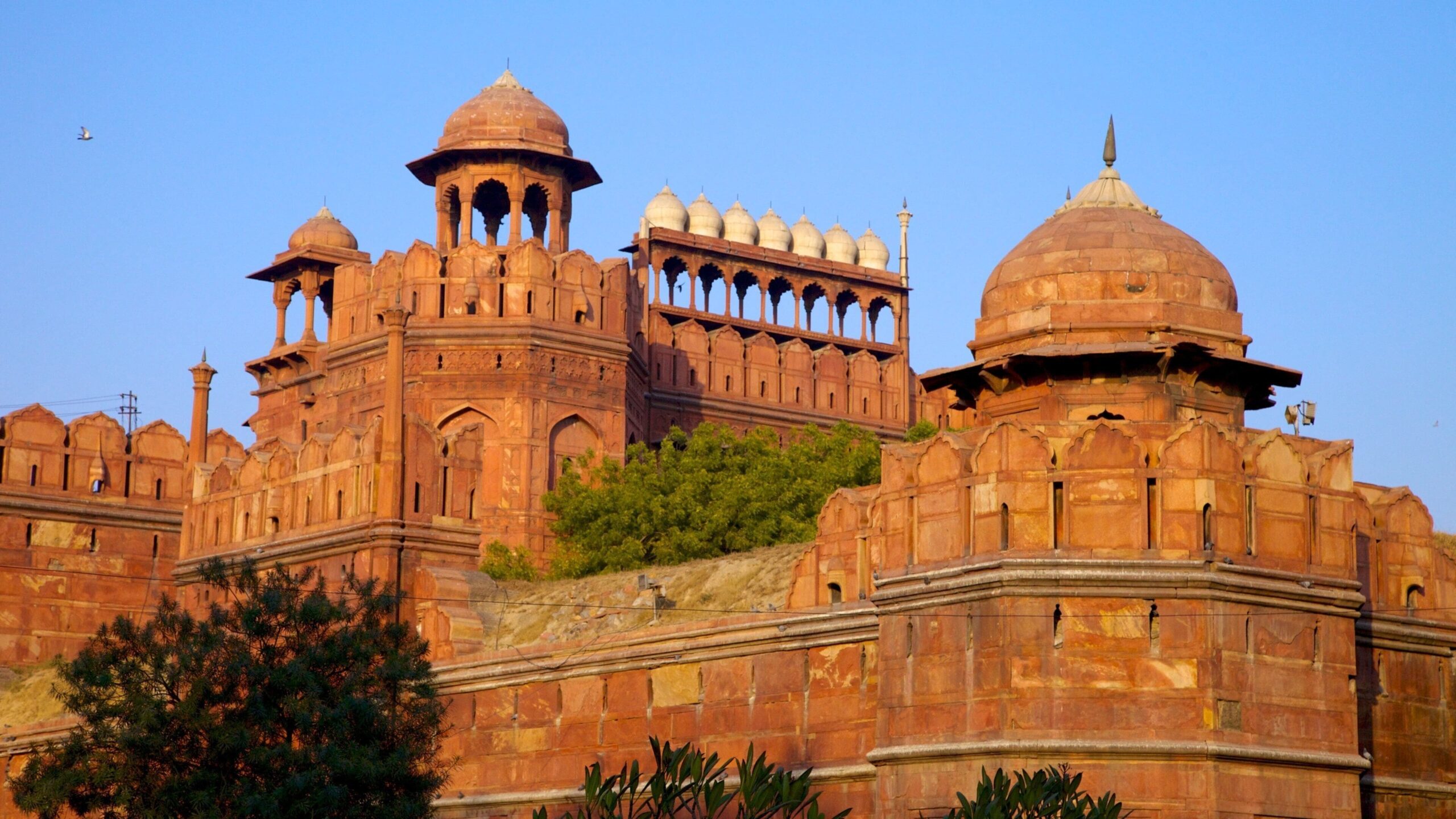
Mehrangarh Fort is one of the largest and most magnificent forts in India. Located in the heart of Jodhpur, this architectural marvel stands proudly on a rocky hill approximately 400 feet above the city. The fort dominates the skyline and offers breathtaking views of the famous Blue City of Jodhpur.
Known for its massive walls, grand palaces, beautiful courtyards, and rich history, Mehrangarh Fort attracts millions of tourists every year. It is considered one of Rajasthan’s most important historical landmarks and showcases the glorious heritage of the Rathore dynasty.
Whether you are a history enthusiast, architecture lover, photographer, or traveler, Mehrangarh Fort offers a memorable experience that reflects the royal legacy of Rajasthan.
History of Mehrangarh Fort
The history of Mehrangarh Fort dates back to 1459 when Rao Jodha, the founder of Jodhpur, established the fort after shifting his capital from Mandore.
According to historical records, Rao Jodha selected a rocky hill known as Bhakurcheeria, meaning the Mountain of Birds, for constructing the new fort. The strategic location provided natural defense against enemy attacks and allowed rulers to monitor surrounding regions.
A popular legend states that a hermit named Cheeria Nathji lived on the hill. When he was asked to leave, he cursed the area, predicting water scarcity. To neutralize the curse, a local man named Rajaram Meghwal reportedly volunteered to be buried alive in the foundation of the fort. A memorial dedicated to him can still be found within the fort complex.
Over the centuries, Mehrangarh Fort witnessed numerous battles, political alliances, and royal ceremonies. Successive Rathore rulers expanded the fort and added palaces, temples, and courtyards that enhanced its grandeur.
Today, Mehrangarh Fort stands as a symbol of Rajput bravery, courage, and architectural excellence.

Architecture of Mehrangarh Fort
Mehrangarh Fort is renowned for its remarkable architecture. Built using red sandstone, the fort blends Rajput and Mughal architectural styles.
The fort covers an area of approximately 1,200 acres and is surrounded by thick defensive walls rising up to 120 feet high in some places.
Key architectural features include:
- Massive fortification walls
- Magnificent gateways
- Intricately carved balconies
- Beautiful courtyards
- Ornate palaces
- Decorative jharokhas
- Artistic lattice windows
- Ancient temples
The architecture reflects the artistic brilliance of Rajasthan’s craftsmen who created intricate stone carvings and decorative designs without modern technology.

Major Gates of Mehrangarh Fort
Jai Pol
Jai Pol, meaning “Gate of Victory,” was built by Maharaja Man Singh in 1806 to commemorate victories over Jaipur and Bikaner.
The gate symbolizes the military achievements of the Rathore rulers and serves as one of the main entrances to the fort.
Fateh Pol
Fateh Pol was constructed to celebrate the recapture of Jodhpur from Mughal forces. The gateway remains a reminder of Rajput resilience and determination.
Dedh Kangra Pol
This gate bears visible marks from cannonball attacks during historical battles. Visitors can still observe damage caused during military conflicts.
Loha Pol
Loha Pol is one of the most significant gates inside the fort. Near this gate, visitors can see handprints of royal women who committed sati following the death of their husbands.
These historical marks provide insight into ancient customs and traditions.
Palaces Inside Mehrangarh Fort
Moti Mahal (Pearl Palace)
Moti Mahal is among the oldest palaces within the fort.
The palace features:
- Colorful stained-glass windows
- Decorative ceilings
- Royal throne area
- Intricate wall paintings
This palace served as the audience hall where kings met their subjects and nobles.
Phool Mahal (Flower Palace)
Phool Mahal is considered the most luxurious palace in Mehrangarh Fort.
Its highlights include:
- Gold decorations
- Ornamental ceilings
- Royal artwork
- Exquisite mirror work
The palace was primarily used for entertainment, music, and dance performances.
Sheesh Mahal
Sheesh Mahal, or Palace of Mirrors, showcases beautiful mirror work and artistic craftsmanship.
The sparkling interiors create a magical atmosphere that impresses visitors even today.
Takhat Vilas
Takhat Vilas was the residence of Maharaja Takhat Singh.
The palace contains:
- Vibrant paintings
- Decorative wooden ceilings
- Royal furniture
- Historical artifacts
It offers valuable insights into the lifestyle of Rajasthan’s royal families.
Mehrangarh Fort Museum
One of the major attractions of the fort is the museum managed by the Mehrangarh Museum Trust.
The museum houses an impressive collection of royal artifacts, including:
Royal Palanquins
Beautifully decorated palanquins used by kings and queens.
Weapons Gallery
Ancient swords, shields, daggers, and firearms used by Rajput warriors.
Textile Collection
Traditional royal costumes and embroidered garments showcasing Rajasthan’s textile heritage.
Paintings Gallery
Miniature paintings depicting historical events and royal lifestyles.
Elephant Howdahs
Luxurious seats placed on elephants during royal processions.
The museum provides visitors with a detailed understanding of Rajasthan’s royal history.
Chamunda Mata Temple
Inside the fort lies the sacred Chamunda Mata Temple.
The temple was established by Rao Jodha and is dedicated to Goddess Chamunda, the family deity of the Rathore rulers.
Thousands of devotees visit the temple during festivals, especially Navratri.
The temple also played an important role during historical conflicts, as locals believed the goddess protected the city from danger.
The Blue City View from Mehrangarh Fort
One of the biggest attractions of Mehrangarh Fort is the spectacular panoramic view of Jodhpur.

From the fort’s ramparts, visitors can witness hundreds of blue-painted houses spread across the city.
The blue color was originally associated with Brahmin households, but over time many residents adopted the tradition. Today, these blue houses create a stunning visual landscape that attracts photographers from around the world.
Cultural Significance of Mehrangarh Fort
Mehrangarh Fort is not merely a historical monument; it is also a cultural center.
The fort hosts:
- Folk music performances
- Cultural festivals
- Heritage events
- Traditional dance shows
- Photography exhibitions
It plays a crucial role in preserving Rajasthan’s rich traditions and promoting tourism.
Rajasthan International Folk Festival
Mehrangarh Fort serves as a major venue for the renowned Rajasthan International Folk Festival.
This festival attracts artists and musicians from across the world.
Visitors enjoy:
- Folk music
- Traditional performances
- Cultural workshops
- Heritage experiences
The festival transforms the fort into a vibrant cultural destination.
Jodhpur RIFF Festival
The RIFF Festival has gained international recognition and contributes significantly to Rajasthan’s tourism industry.
The event highlights:
- Local traditions
- Global cultural exchange
- Folk heritage preservation
- Musical innovation
Many travelers plan their visits specifically to attend this prestigious event.
Adventure Activities at Mehrangarh Fort
Zip Line Adventure
Adventure enthusiasts can enjoy zip-lining experiences around the fort.
The activity offers:
- Aerial views of the fort
- Scenic landscapes
- Exciting adventure experience
It has become one of the most popular attractions among young travelers.
Photography Tours
Professional photographers frequently visit Mehrangarh Fort due to its:
- Historic architecture
- Golden sandstone structures
- Blue city views
- Sunset landscapes
Every corner of the fort provides excellent photography opportunities.
Best Time to Visit Mehrangarh Fort
The ideal time to visit is between October and March.
Winter Season (October to March)
Advantages:
- Pleasant weather
- Comfortable sightseeing
- Festival season
- Clear views
Summer Season (April to June)
Challenges:
- Extremely hot temperatures
- Limited outdoor comfort
Monsoon Season (July to September)
Benefits:
- Refreshing surroundings
- Fewer tourists
- Beautiful landscapes
Winter remains the preferred season for most visitors.
Mehrangarh Fort Timings
Generally, the fort remains open daily.
Opening Time: 9:00 AM
Closing Time: 5:00 PM
Visitors should verify the latest timings before planning their trip.
Ticket Price
Ticket prices may vary depending on:
- Indian visitors
- Foreign tourists
- Students
- Camera charges
- Special exhibitions
It is advisable to check official updates before visiting.
How to Reach Mehrangarh Fort
By Air
The nearest airport is Jodhpur Airport, located a short distance from the fort.
By Train
Jodhpur Junction Railway Station is well connected to major Indian cities.
By Road
Jodhpur enjoys excellent road connectivity with:
- Jaipur
- Udaipur
- Jaisalmer
- Bikaner
- Delhi
Regular buses and taxis are available.
Nearby Tourist Attractions
Jaswant Thada
A beautiful marble cenotaph built in memory of Maharaja Jaswant Singh II.
Umaid Bhawan Palace
One of the world’s largest private residences and a luxury heritage palace.
Mandore Gardens
A historic garden complex featuring temples and royal memorials.
Clock Tower Market
A popular marketplace known for handicrafts, spices, and local products.
Interesting Facts About Mehrangarh Fort
- It is one of India’s largest forts.
- The fort stands approximately 400 feet above Jodhpur city.
- Construction began in 1459.
- The walls reach heights of over 120 feet.
- The fort has seven major gates.
- Several Bollywood movies have been filmed here.
- It contains one of Rajasthan’s finest museums.
- The fort offers panoramic views of the Blue City.
- Ancient cannonball marks remain visible on some walls.
- Mehrangarh Fort is among Rajasthan’s most visited tourist attractions.
Travel Tips for Visitors
- Visit early in the morning to avoid crowds.
- Carry water during summer months.
- Wear comfortable walking shoes.
- Use audio guides for historical insights.
- Allocate at least 3–4 hours for exploration.
- Carry a camera for photography.
- Visit nearby attractions on the same day.
FAQs About Mehrangarh Fort
1. Who built Mehrangarh Fort?
Rao Jodha founded Mehrangarh Fort in 1459.
2. Where is Mehrangarh Fort located?
It is located in Jodhpur, Rajasthan.
3. Why is Mehrangarh Fort famous?
It is famous for its history, architecture, museum, and Blue City views.
4. What is the best time to visit?
October to March is the best season.
5. How much time is needed to explore the fort?
Approximately 3–4 hours.
6. Is photography allowed?
Yes, photography is generally allowed.
7. What is inside the fort?
Palaces, museums, temples, galleries, and courtyards.
8. Can tourists enjoy adventure activities?
Yes, zip-lining is available.
9. Is Mehrangarh Fort suitable for families?
Yes, it is ideal for families and history lovers.
10. Which city is known as the Blue City?
Jodhpur is known as the Blue City.
Conclusion
Mehrangarh Fort is a masterpiece of Indian architecture and a proud symbol of Rajasthan’s royal heritage. Its magnificent palaces, powerful fortifications, rich museum collections, and breathtaking views make it one of the most remarkable tourist destinations in India. Whether you are interested in history, culture, photography, or architecture, Mehrangarh Fort offers an unforgettable experience that showcases the grandeur of the Rajput era.
For anyone planning a trip to Rajasthan, a visit to Mehrangarh Fort is an absolute must. The fort not only tells the story of Jodhpur’s glorious past but also continues to inspire visitors with its beauty, strength, and timeless charm.