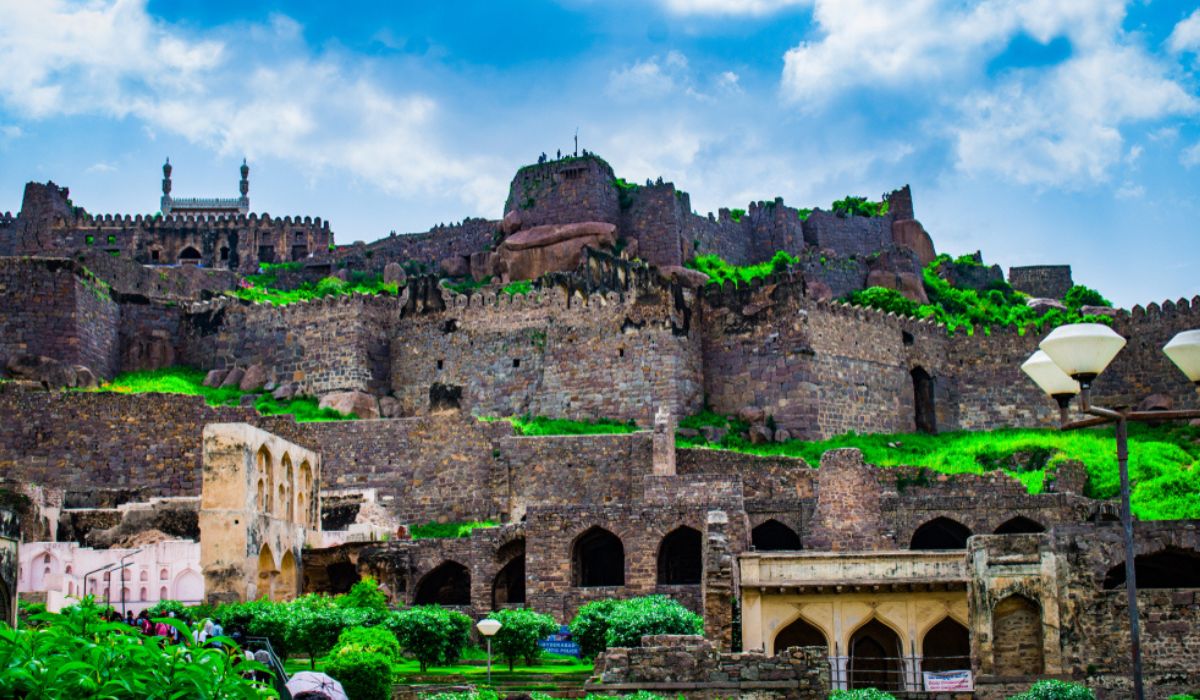
Explore Ajmer Sharif Dargah in Rajasthan. Learn about its history, Khwaja Moinuddin Chishti, timings, architecture, Urs festival, travel tips, nearby attractions, and spiritual significance.
Ajmer Sharif Dargah – Complete Guide to India’s Most Revered Sufi Shrine

The Ajmer Sharif Dargah is one of India’s most sacred Islamic pilgrimage sites and a symbol of spiritual harmony. Located in the historic city of Ajmer, the shrine is dedicated to the revered Sufi saint Khwaja Moinuddin Chishti, popularly known as Garib Nawaz (Benefactor of the Poor). Millions of devotees from different religions, cultures, and countries visit this holy shrine every year seeking blessings, peace, and spiritual fulfillment.
The dargah is not only a center of Islamic spirituality but also an important symbol of India’s composite culture. People from all walks of life, including political leaders, celebrities, businesspersons, and ordinary pilgrims, visit the shrine to offer prayers and express gratitude.
Overview of Ajmer Sharif Dargah
| Particulars | Details |
|---|---|
| Name | Ajmer Sharif Dargah |
| Location | Ajmer, Rajasthan |
| Dedicated To | Khwaja Moinuddin Chishti |
| Popular Name | Garib Nawaz Dargah |
| Religion | Islam (Sufism) |
| Founded | 13th Century |
| Famous For | Sufi Pilgrimage & Urs Festival |
| Annual Visitors | Millions of pilgrims |
| Best Time to Visit | October to March |
| Major Festival | Urs of Khwaja Garib Nawaz |
History of Ajmer Sharif Dargah
The history of Ajmer Sharif Dargah dates back to the late 12th and early 13th centuries. Khwaja Moinuddin Chishti arrived in India from Persia around 1192 CE and eventually settled in Ajmer. He dedicated his life to spreading messages of love, peace, compassion, humanity, and devotion to God. His teachings attracted followers from all sections of society.
After his death in 1236 CE, his followers built a shrine at his burial place. Over the centuries, several rulers, including Mughal emperors, contributed to the development and beautification of the dargah complex.
The shrine became particularly significant during the Mughal period. Emperor Akbar regularly visited the dargah on foot from Agra to seek blessings for an heir. It is believed that his prayers were answered with the birth of Prince Salim, who later became Emperor Jahangir.
Who Was Khwaja Moinuddin Chishti?


Khwaja Moinuddin Chishti is one of the most influential Sufi saints in South Asian history. He was born in Sistan, Persia, and later traveled extensively across Central Asia before arriving in India.
His teachings focused on:
- Love for humanity
- Service to the poor
- Religious tolerance
- Compassion
- Equality
- Devotion to God
Due to his generosity and concern for the poor, he earned the title “Garib Nawaz,” meaning “Benefactor of the Poor.” His spiritual teachings continue to inspire millions today.
Spiritual Significance of Ajmer Sharif
The spiritual importance of Ajmer Sharif extends beyond religious boundaries. The shrine is visited by Hindus, Muslims, Sikhs, Christians, and people from various faiths. This inclusiveness reflects the core teachings of Khwaja Moinuddin Chishti.
Many devotees believe that sincere prayers offered at the shrine are fulfilled. Pilgrims often visit to pray for:
- Health
- Prosperity
- Marriage
- Career growth
- Family welfare
- Success in life
The atmosphere of devotion, qawwali music, and collective prayers creates a unique spiritual experience that attracts millions of visitors annually.
Architecture of Ajmer Sharif Dargah
The Ajmer Sharif Dargah is a masterpiece of Indo-Islamic architecture. Various rulers added structures to the complex over several centuries.
Important architectural features include:
Nizam Gate
The Nizam Gate serves as the main entrance to the shrine. It was gifted by the Nizam of Hyderabad and remains one of the most prominent entry points.
Shahjahani Gate
Built by Shah Jahan, this gate showcases Mughal architectural excellence and intricate craftsmanship.
Buland Darwaza
The Buland Darwaza is a magnificent gateway where the Urs flag is traditionally hoisted. It is one of the most recognizable features of the shrine.
Marble Tomb
The tomb of Khwaja Moinuddin Chishti is covered with marble, gold plating, and silver railings. Devotees offer flowers, chadars, and prayers at the tomb.
Jama Masjid
The mosque within the complex was built by Mughal rulers and remains an important place for prayers.
Urs Festival at Ajmer Sharif
The Urs festival is the most important event celebrated at Ajmer Sharif. Urs marks the death anniversary of Khwaja Moinuddin Chishti, which Sufi traditions consider a union with the Divine.
During Urs:
- Millions of pilgrims visit the shrine.
- Special prayers are offered.
- Qawwali performances are organized.
- Langar is distributed.
- Religious gatherings take place.
- The entire city experiences a festive atmosphere.
The celebration generally lasts six days and attracts devotees from across India and abroad.
Famous Traditions at Ajmer Sharif
Offering Chadar
Pilgrims offer decorative chadars at the tomb as a symbol of respect and devotion. This tradition is one of the most recognizable rituals at the shrine.
Qawwali
Qawwali performances form an integral part of Sufi traditions. The devotional music creates a spiritually uplifting environment for visitors.
Langar
Free meals are distributed among devotees regardless of religion, caste, or social status. This reflects the teachings of equality and service.
Mannat
Many devotees make wishes or vows and revisit the shrine after their wishes are fulfilled.
Timings of Ajmer Sharif Dargah
According to official tourism information:
| Season | Timings |
|---|---|
| Summer | 4:00 AM – 10:00 PM |
| Winter | 5:00 AM – 9:00 PM |
Visitors should verify timings during festivals and special occasions.
Entry Fee
There is no entry fee to visit Ajmer Sharif Dargah. Devotees may voluntarily donate or purchase offerings such as flowers and chadars.
How to Reach Ajmer Sharif Dargah
By Air
The nearest airport is Jaipur International Airport, located approximately 135 km from Ajmer.
By Train
Ajmer Junction Railway Station is well-connected to major Indian cities including Delhi, Mumbai, Jaipur, Ahmedabad, and Kolkata.
By Road
Ajmer is connected through an excellent network of highways and buses from nearby cities.
Best Time to Visit
The ideal months for visiting Ajmer Sharif are:
- October
- November
- December
- January
- February
- March
During these months, Rajasthan experiences pleasant weather, making sightseeing comfortable.
Nearby Attractions
Pushkar
Located around 15 km from Ajmer, Pushkar is famous for the sacred lake and Brahma Temple.
Ana Sagar Lake
A beautiful artificial lake offering peaceful surroundings and scenic views.
Taragarh Fort
One of Rajasthan’s oldest hill forts with panoramic views of Ajmer.
Adhai Din Ka Jhonpra
A historic Indo-Islamic monument known for its architecture.
Cultural Importance of Ajmer Sharif
Ajmer Sharif is often described as a symbol of communal harmony. The shrine demonstrates how spiritual traditions can transcend religious boundaries and unite people through shared values of love and humanity.
Throughout history, rulers, saints, scholars, and common people have contributed to preserving the shrine’s legacy. Today, it remains one of India’s most visited spiritual destinations.
Interesting Facts About Ajmer Sharif Dargah
- It is one of the most visited Sufi shrines in the world.
- Emperor Akbar regularly walked to the shrine from Agra.
- The shrine welcomes people from all religions.
- Millions of devotees visit annually.
- Urs is the biggest festival celebrated here.
- The tomb is adorned with marble, silver, and gold decorations.
- The complex includes multiple gates, mosques, and courtyards.
- Qawwali performances are an important tradition.
- Langar is served to thousands of visitors.
- The shrine symbolizes India’s cultural unity.
Travel Tips for Visitors
- Dress modestly.
- Cover your head before entering.
- Remove footwear where required.
- Respect religious customs.
- Avoid carrying prohibited items.
- Visit early morning to avoid crowds.
- Stay hydrated during summer.
- Beware of unauthorized guides.
FAQs About Ajmer Sharif Dargah
1. Why is Ajmer Sharif Dargah famous?
It is the tomb of Khwaja Moinuddin Chishti and one of the most important Sufi pilgrimage centers in India.
2. Where is Ajmer Sharif located?
It is located in Ajmer city of Rajasthan.
3. Is there any entry fee?
No, entry is free.
4. Who built the shrine?
The shrine developed over centuries with contributions from various rulers, including Mughal emperors.
5. What is Urs?
Urs is the annual death anniversary celebration of Khwaja Moinuddin Chishti.
6. Can non-Muslims visit?
Yes, people of all faiths are welcome.
7. What should I wear?
Modest clothing with a covered head is recommended.
8. What is the best time to visit?
October to March.
9. How far is Pushkar from Ajmer?
Approximately 15–17 km.
10. What offerings are made at the shrine?
Flowers, chadars, incense, and prayers.
11. Is photography allowed?
Restrictions may apply in certain areas.
12. How old is Ajmer Sharif Dargah?
The shrine dates back over 800 years.
13. What language is commonly spoken?
Hindi, Urdu, and Rajasthani.
14. Is accommodation available nearby?
Yes, hotels and guesthouses are available across Ajmer.
15. Why is Khwaja Moinuddin Chishti called Garib Nawaz?
Because of his dedication to helping the poor and needy.
Conclusion
The Ajmer Sharif Dargah stands as one of India’s most revered spiritual landmarks. Dedicated to the great Sufi saint Khwaja Moinuddin Chishti, the shrine embodies values of compassion, equality, faith, and service to humanity. Whether you visit for religious reasons, historical exploration, or cultural understanding, Ajmer Sharif offers an unforgettable experience filled with devotion and peace. Its timeless message of universal brotherhood continues to inspire millions of pilgrims from around the world.