Explore Amber Fort Jaipur with this complete travel guide. Learn about its history, architecture, ticket prices, timings, attractions, best time to visit, and travel tips.
Amber Fort Jaipur
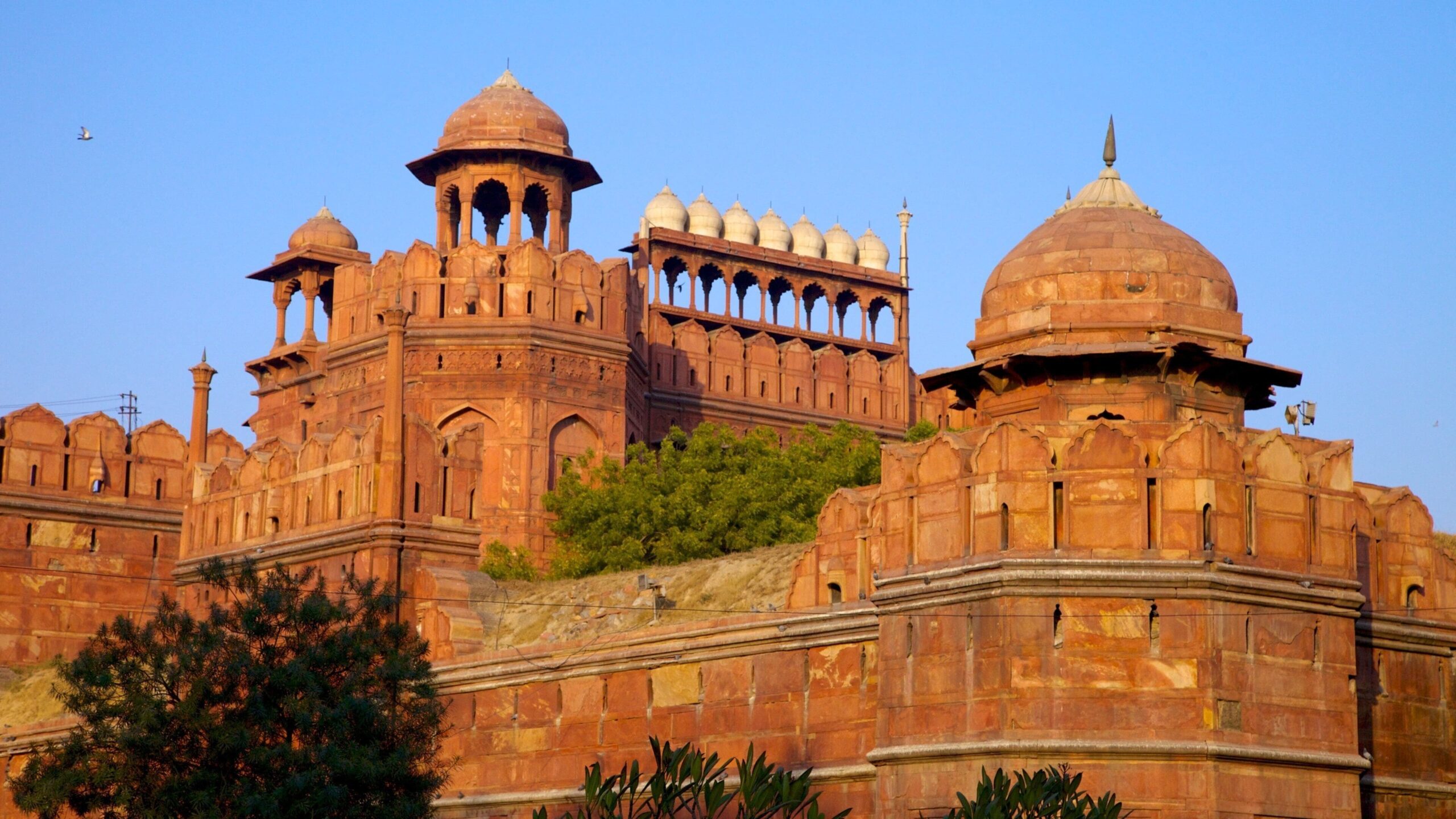
Amber Fort, also known as Amer Fort, is one of the most magnificent forts in India and a symbol of Rajasthan’s royal heritage. Situated approximately 11 kilometers from Jaipur city, the fort stands majestically on the Aravalli Hills overlooking the beautiful Maota Lake. Built primarily by Raja Man Singh I in 1592, the fort showcases an extraordinary blend of Rajput and Mughal architecture.
Amber Fort attracts millions of tourists every year because of its grand palaces, intricate mirror work, artistic gateways, historical significance, and breathtaking views. In 2013, it became part of the UNESCO-listed Hill Forts of Rajasthan, further increasing its global recognition.
Quick Facts About Amber Fort
| Particulars | Details |
|---|---|
| Name | Amber Fort / Amer Fort |
| Location | Amer, Jaipur, Rajasthan |
| Built By | Raja Man Singh I |
| Construction Started | 1592 |
| Architecture Style | Rajput and Mughal |
| Material Used | Red Sandstone and White Marble |
| UNESCO Status | Hill Forts of Rajasthan (2013) |
| Distance from Jaipur | Approximately 11 km |
| Famous For | Sheesh Mahal, Ganesh Pol, Maota Lake |
| Best Time to Visit | October to March |
History of Amber Fort
The history of Amber Fort dates back to the 16th century when Raja Man Singh I, one of Emperor Akbar’s most trusted generals, initiated the construction of the fort. The Kachwaha Rajput rulers selected Amer as their capital because of its strategic hilltop location and natural defenses.
Over the next 150 years, successive rulers including Mirza Raja Jai Singh I and Sawai Jai Singh II expanded the fort complex. The rulers added magnificent palaces, temples, courtyards, and defensive structures that transformed Amber Fort into one of India’s most spectacular royal residences.
Before Jaipur was founded in 1727, Amber Fort served as the principal residence of the Kachwaha dynasty. When Sawai Jai Singh II established Jaipur as the new capital, the royal family gradually shifted their residence, though Amber Fort remained an important ceremonial and military center.
Today, the fort stands as a living reminder of Rajasthan’s glorious past and continues to attract historians, architects, photographers, and travelers from around the world.

Architectural Marvel of Amber Fort
Amber Fort is considered one of the finest examples of Rajput architecture blended with Mughal artistic influences. The use of red sandstone, white marble, intricate carvings, mirror work, fresco paintings, and beautifully designed courtyards creates a unique visual experience.
Key Architectural Features
1. Rajput-Mughal Fusion
The fort combines traditional Rajput defensive architecture with Mughal elegance and decorative elements. Visitors can observe large courtyards, domes, arches, lattice windows, and ornamental gardens throughout the complex.
2. Strategic Hilltop Location
Built on the Aravalli Hills, the fort offers panoramic views of the surrounding landscape and Maota Lake. The elevated position provided excellent defense against enemy invasions.
3. Intricate Mirror Work
The famous Sheesh Mahal contains thousands of small mirrors embedded into the walls and ceilings. Even a small source of light creates a dazzling effect inside the palace.
4. Ornamental Gateways
The fort features several grand gateways, each decorated with beautiful paintings, floral patterns, and artistic motifs representing royal craftsmanship.

Major Attractions Inside Amber Fort
Jaleb Chowk
Jaleb Chowk is the first courtyard visitors encounter after entering the fort. Historically, victorious armies displayed their war spoils here upon returning from battles. It served as an important gathering place for military and royal ceremonies.
Suraj Pol
Known as the Sun Gate, Suraj Pol served as the primary entrance to the fort. The gate receives the first rays of sunlight each morning, which inspired its name.
Ganesh Pol
Ganesh Pol is one of the most photographed structures within the fort. This beautifully painted gateway features intricate frescoes and depictions of Lord Ganesha. It once served as the royal entrance to the private palaces.
Diwan-i-Aam
The Hall of Public Audience was where the king met common citizens, listened to grievances, and conducted public affairs. The hall is supported by elegant columns and showcases exceptional craftsmanship.
Diwan-i-Khas
This Hall of Private Audience was reserved for meetings with nobles, ambassadors, and important guests. It reflects the grandeur and sophistication of the royal court.

Sheesh Mahal


The Sheesh Mahal or Hall of Mirrors is the most famous attraction inside Amber Fort. Thousands of mirrors embedded into the walls and ceilings create an enchanting atmosphere. Legend says that a single candle could illuminate the entire hall through mirror reflections.
Sukh Niwas
Sukh Niwas was designed to provide relief from Rajasthan’s intense summer heat. Ingenious water channels flowing through the palace naturally cooled the interiors, demonstrating the advanced engineering skills of the era.
Zenana Palace
The Zenana served as the residential quarters for royal women. Multiple interconnected rooms allowed privacy while maintaining security within the palace complex.
Shila Devi Temple
Located inside the fort complex, this ancient temple is dedicated to Goddess Shila Devi. It remains one of the most revered religious sites within Amber Fort.
Maota Lake
At the foot of Amber Fort lies the picturesque Maota Lake. Historically, it served as the primary water source for the fort and palace complex. The reflection of Amber Fort in the lake creates one of the most iconic views in Rajasthan.
The lake enhances the beauty of the fort and provides excellent photography opportunities, especially during sunrise and sunset.
Amber Fort and UNESCO World Heritage Status
Amber Fort became part of the UNESCO World Heritage Site designation under the “Hill Forts of Rajasthan” category in 2013. This recognition highlights the fort’s exceptional cultural, historical, and architectural significance.
The UNESCO designation has helped preserve the monument while promoting global tourism and awareness of Rajasthan’s heritage.
Amber Fort Timings
| Activity | Timings |
|---|---|
| Fort Visit | 8:00 AM – 5:30 PM |
| Evening Visit | 6:30 PM – 9:15 PM |
| Light & Sound Show (Hindi) | Around 7:00 PM |
| Light & Sound Show (English) | Around 8:00 PM |
Timings may vary during festivals and special occasions.
Amber Fort Entry Fee
| Category | Approximate Fee |
|---|---|
| Indian Adults | As per current ASI rates |
| Foreign Tourists | Higher than domestic rates |
| Students | Concessional rates available |
| Light & Sound Show | Separate ticket required |
Visitors should verify updated ticket prices before travel.Visitors should verify updated ticket prices before travel.
Best Time to Visit Amber Fort
The ideal time to visit Amber Fort is from October to March when Rajasthan experiences pleasant weather.
Winter Season (October–March)
- Comfortable temperatures
- Best for sightseeing
- Excellent photography conditions
Monsoon Season (July–September)
- Green surroundings
- Beautiful landscapes
- Moderate tourist crowd
Summer Season (April–June)
- Extremely hot weather
- Not recommended for daytime visits
How to Reach Amber Fort
By Air
The nearest airport is Jaipur International Airport, located approximately 25 kilometers away.
By Train
Jaipur Junction Railway Station is well-connected to major Indian cities.
By Road
Regular buses, taxis, auto-rickshaws, and app-based cabs operate between Jaipur city and Amber Fort.
Nearby Attractions
Visitors can combine their Amber Fort tour with nearby attractions:
- Jaigarh Fort
- Nahargarh Fort
- Jal Mahal
- City Palace Jaipur
- Hawa Mahal
- Jantar Mantar Jaipur
Travel Tips for Visitors
- Arrive early in the morning to avoid crowds.
- Wear comfortable walking shoes.
- Carry drinking water, especially during summer.
- Hire an authorized guide for historical insights.
- Attend the evening light and sound show.
- Keep your camera ready for panoramic views.
- Respect historical structures and avoid littering.
FAQ (Frequently Asked Question)
1. Why is Amber Fort famous?
Amber Fort is famous for its Rajput-Mughal architecture, Sheesh Mahal, Ganesh Pol, and historical significance.
2. Who built Amber Fort?
Raja Man Singh I started the construction in 1592.
3. Is Amber Fort a UNESCO World Heritage Site?
Yes, it became part of the UNESCO Hill Forts of Rajasthan in 2013.
4. How much time is needed to explore Amber Fort?
A complete visit usually takes 3 to 4 hours.
5. What is the best time to visit Amber Fort?
October to March is considered the best season.
6. What is the distance between Jaipur and Amber Fort?
Approximately 11 kilometers.
7. What is Sheesh Mahal?
It is the famous Hall of Mirrors inside Amber Fort.
8. Is photography allowed inside Amber Fort?
Yes, photography is generally permitted.
9. Can visitors attend a light and sound show?
Yes, evening light and sound shows are available.
10. Which lake is located near Amber Fort?
Maota Lake is situated directly below the fort.
Conclusion
Amber Fort is not just a historical monument; it is a masterpiece of Rajput architecture and a symbol of Rajasthan’s royal legacy. From the dazzling Sheesh Mahal and majestic Ganesh Pol to the serene Maota Lake and impressive courtyards, every corner of the fort tells a fascinating story of bravery, culture, and artistic excellence. Whether you are a history enthusiast, architecture lover, photographer, or traveler, Amber Fort promises an unforgettable experience that captures the true essence of Jaipur’s royal heritage.