Explore the Red Fort (Lal Qila) in Delhi. Learn about its history, architecture, UNESCO status, timings, ticket prices, attractions, and travel tips in this complete guide.
Red Fort (Lal Qila)
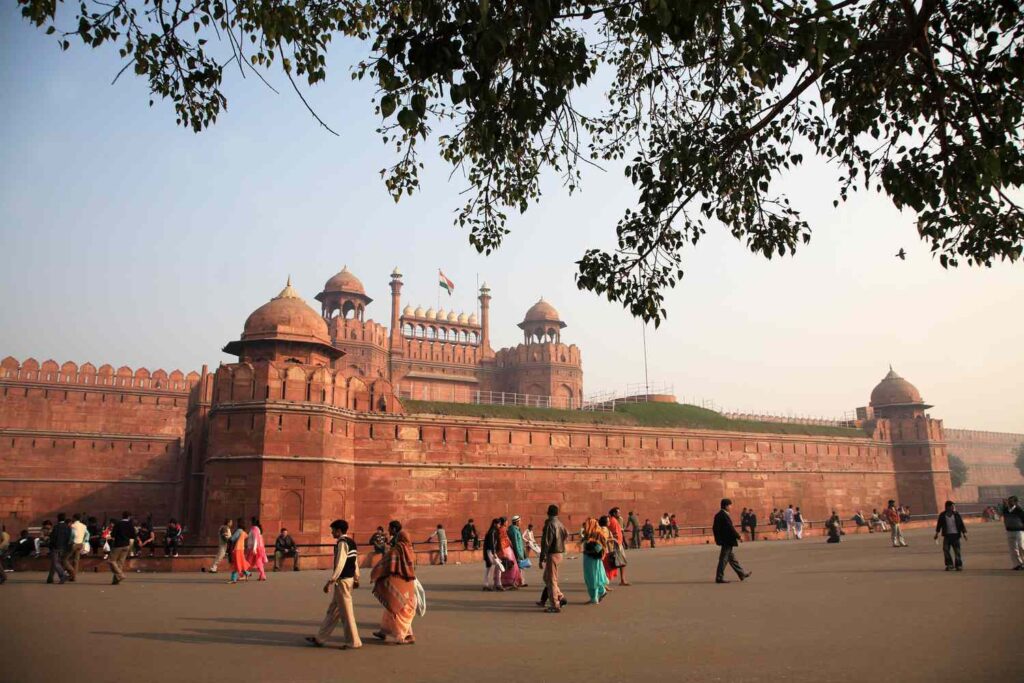
The Red Fort, popularly known as Lal Qila, is one of India’s most iconic historical monuments and a symbol of the nation’s rich cultural heritage. Located in the heart of Old Delhi, the magnificent fort was built by Mughal Emperor Shah Jahan in the 17th century and served as the main residence of Mughal rulers for nearly 200 years. Today, it stands as a proud reminder of India’s glorious past and attracts millions of tourists every year. The fort was recognized as a UNESCO World Heritage Site in 2007 due to its exceptional architectural and historical significance.
Quick Facts About Red Fort
| Particular | Details |
|---|---|
| Monument Name | Red Fort (Lal Qila) |
| Location | Old Delhi, Delhi, India |
| Built By | Shah Jahan |
| Construction Period | 1639–1648 |
| Architectural Style | Mughal Architecture |
| UNESCO Status | World Heritage Site (2007) |
| Material Used | Red Sandstone and Marble |
| Famous For | Independence Day Celebrations |
| Main Entrance | Lahori Gate |
| Nearest Metro Station | Lal Qila Metro Station |
History of Red Fort
The history of the Red Fort dates back to 1639 when Mughal Emperor Shah Jahan decided to shift his capital from Agra to a newly established city called Shahjahanabad, now known as Old Delhi. To serve as the royal residence and administrative center of the empire, he ordered the construction of a grand palace-fortress on the banks of the Yamuna River.
Construction began on 12 May 1639 and was completed in 1648. The fort became the political and cultural center of the Mughal Empire. The magnificent complex was designed to reflect the power, wealth, and artistic achievements of the Mughal dynasty.
For nearly two centuries, the Red Fort remained the residence of Mughal emperors. During this period, it witnessed numerous political events, royal ceremonies, and cultural developments.
Red Fort During British Rule
The fortunes of the Red Fort changed dramatically after the Revolt of 1857. Following the defeat of the rebellion, the British captured the fort and used it as a military headquarters. Many of the original palace structures and gardens were destroyed or modified during British occupation.
The last Mughal Emperor, Bahadur Shah Zafar, was tried by the British within the fort premises before being exiled to Rangoon.
Red Fort and Indian Independence
The Red Fort holds immense significance in India’s freedom struggle. On 15 August 1947, India’s first Prime Minister, Jawaharlal Nehru, hoisted the national flag from the fort’s ramparts, marking India’s independence from British rule. Since then, the Prime Minister addresses the nation from the Red Fort every Independence Day.
Architecture of Red Fort
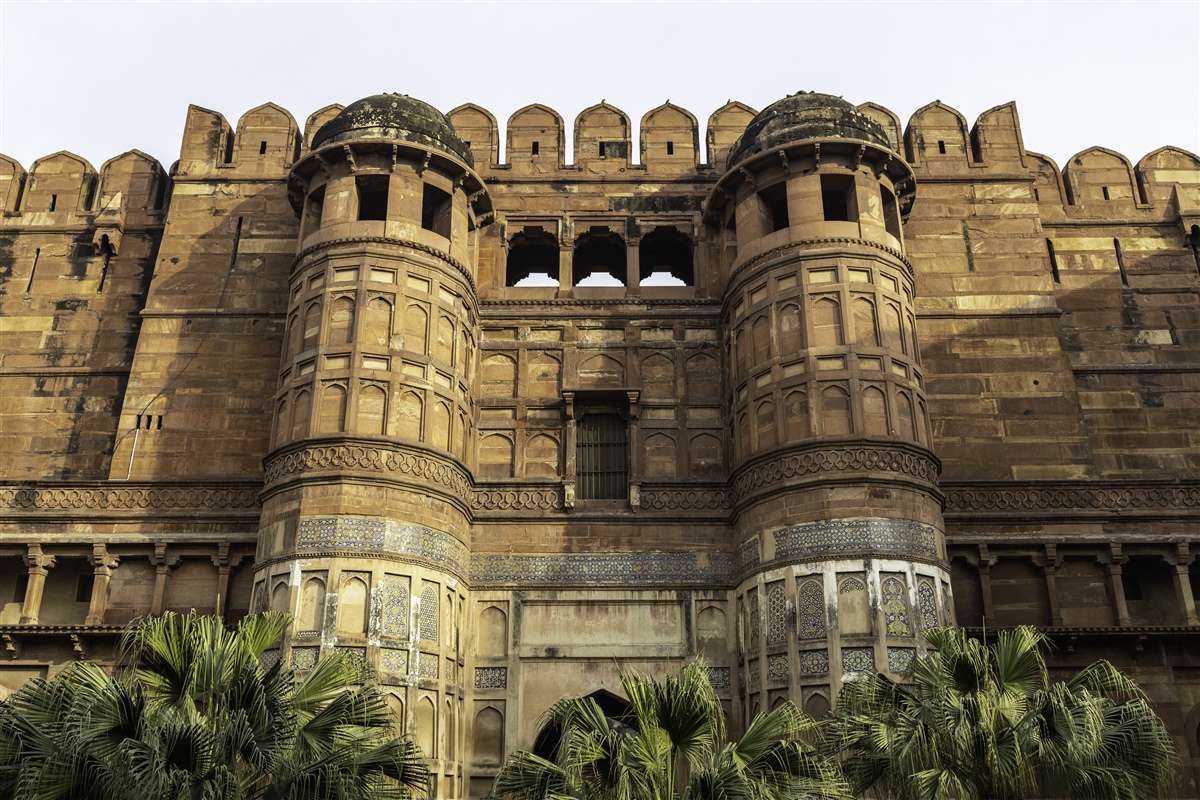
The Red Fort represents the finest example of Mughal architecture. It combines Persian, Timurid, Islamic, and Indian architectural traditions into a harmonious design. UNESCO describes the fort as the zenith of Mughal creativity and architectural excellence.
Massive Red Sandstone Walls
The fort derives its name from its enormous red sandstone walls. These walls stretch approximately 2.4 kilometers and rise between 18 and 33 meters in height, creating an impressive defensive structure.
Strategic Layout
The fort covers more than 250 acres and was strategically located near the Yamuna River. The palace complex was carefully planned with audience halls, private residences, gardens, mosques, baths, and administrative buildings.
Nahr-i-Bihisht (Stream of Paradise)
One of the most remarkable features of the Red Fort is the Nahr-i-Bihisht, or “Stream of Paradise.” This water channel flowed through the royal apartments, providing cooling and adding aesthetic beauty to the palace complex.
Major Attractions Inside Red Fort
Lahori Gate
The Lahori Gate is the main entrance to the Red Fort and one of its most recognizable features. It faces the historic Chandni Chowk area and serves as the ceremonial entrance.
Chatta Chowk
Just inside the Lahori Gate lies Chatta Chowk, a covered marketplace where traders once sold luxury goods such as silk, jewelry, carpets, and decorative items. Today, visitors can purchase souvenirs and handicrafts here.
Diwan-i-Aam (Hall of Public Audience)
The Diwan-i-Aam was the venue where the emperor met the general public and heard grievances. Supported by numerous sandstone pillars, this hall reflects the grandeur of Mughal administration.
Diwan-i-Khas (Hall of Private Audience)
The Diwan-i-Khas was reserved for private meetings with nobles, foreign ambassadors, and important officials. It is famous for its elegant marble work and intricate decorations.
Rang Mahal
Rang Mahal, meaning “Palace of Colors,” was used by the royal women. The structure features decorative artwork, fountains, and luxurious living spaces.
Khas Mahal
The Khas Mahal served as the emperor’s private residence. It showcases exquisite Mughal craftsmanship and ornamental designs.
Moti Masjid
The Moti Masjid, or Pearl Mosque, was constructed by Aurangzeb. Built from white marble, the mosque is admired for its simplicity and elegance.
Hayat Bakhsh Bagh
The Hayat Bakhsh Bagh, meaning “Life-Giving Garden,” is a beautiful Mughal-style garden featuring water channels, fountains, and landscaped pathways.
Museum Complex
The fort houses several museums displaying artifacts related to Mughal history, India’s freedom struggle, and military heritage.
UNESCO World Heritage Status
In 2007, UNESCO designated the Red Fort Complex as a World Heritage Site due to its outstanding universal value and exceptional representation of Mughal architecture. UNESCO recognizes the fort as a masterpiece that influenced later architecture and garden design across northern India.
UNESCO Recognition Criteria
- Exceptional Mughal architectural achievement
- Fusion of Persian, Islamic, Timurid, and Indian traditions
- Historical importance in shaping regional identity
- Symbol of political power and national independence
Cultural Importance of Red Fort
The Red Fort is much more than a historical monument. It is a symbol of India’s sovereignty and national pride.
Every year on Independence Day:
- The Prime Minister hoists the national flag.
- A ceremonial guard of honor is presented.
- The nation receives the Independence Day address.
- Cultural programs are organized across the country.
Red Fort Light and Sound Show
The Light and Sound Show is one of the most popular attractions at the fort. Through dramatic lighting, music, and narration, the show presents Delhi’s rich history from the Mughal era to modern India.
Highlights
- Mughal history
- Rise and fall of empires
- Freedom struggle
- India’s independence
Red Fort Timings
| Day | Timings |
|---|---|
| Monday | Closed |
| Tuesday to Sunday | 9:30 AM – 4:30 PM |
Timings may vary during special events and government ceremonies.
Red Fort Ticket Price
| Category | Ticket Price |
|---|---|
| Indian Citizens | As per ASI rates |
| Foreign Tourists | As per ASI rates |
| Children Below Certain Age | Free/Concessional |
| Light & Sound Show | Separate Charges |
Visitors should check official ticket portals before planning their trip.
Best Time to Visit Red Fort
The best time to visit the Red Fort is between October and March when Delhi experiences pleasant weather.
Winter Season (October–March)
- Comfortable sightseeing
- Clear skies
- Ideal for photography
Summer Season (April–June)
- Very hot temperatures
- Less comfortable for exploration
Monsoon Season (July–September)
- Occasional rainfall
- Lush surroundings
How to Reach Red Fort
By Air
The nearest airport is the Indira Gandhi International Airport.
By Train
Major railway stations nearby include:
- Old Delhi Railway Station
- New Delhi Railway Station
By Metro
The nearest metro station is:
- Lal Qila Metro Station
By Road
Delhi is well connected through buses, taxis, auto-rickshaws, and private vehicles.
Nearby Tourist Attractions
After visiting the Red Fort, tourists can explore:
- Jama Masjid
- Chandni Chowk
- Raj Ghat
- India Gate
- Qutub Minar
- Humayun’s Tomb
Interesting Facts About Red Fort
- The Red Fort was originally known as Qila-i-Mubarak (Blessed Fort).
- Construction took nearly ten years to complete.
- The fort was once decorated with gold, silver, and precious stones.
- It served as the residence of Mughal emperors for almost 200 years.
- The fort became a UNESCO World Heritage Site in 2007.
- Independence Day celebrations are held here every year.
- The fort influenced the architecture of many later monuments.
- The walls extend approximately 2.4 kilometers.
- British forces modified several original structures after 1857.
- It remains one of India’s most visited heritage monuments.
Conservation and Preservation
The Red Fort faces challenges such as pollution, environmental degradation, and increasing tourist pressure. Conservation projects by the Archaeological Survey of India continue to restore and preserve various sections of the monument. Recent restoration initiatives have reopened historic chambers and strengthened the fort’s architectural integrity.
FAQs About Red Fort
1. Who built the Red Fort?
The Red Fort was built by Mughal Emperor Shah Jahan.
2. When was the Red Fort constructed?
Construction began in 1639 and was completed in 1648.
3. Why is the Red Fort famous?
It is famous for its Mughal architecture, historical significance, and Independence Day celebrations.
4. Is Red Fort a UNESCO World Heritage Site?
Yes, it became a UNESCO World Heritage Site in 2007.
5. What is the main entrance of Red Fort?
The Lahori Gate is the main entrance.
6. Which river flows near the Red Fort?
The Yamuna River flows near the fort.
7. What is Diwan-i-Khas?
It was the Hall of Private Audience for the emperor.
8. What is Diwan-i-Aam?
It was the Hall of Public Audience.
9. What is Nahr-i-Bihisht?
It is the famous Stream of Paradise water channel.
10. Why is the Red Fort important on Independence Day?
The Prime Minister hoists the national flag and addresses the nation from its ramparts.
11. Where is Red Fort located?
It is located in Old Delhi, Delhi, India.
12. Which metro station is nearest to Red Fort?
Lal Qila Metro Station.
13. What material was used to build Red Fort?
Primarily red sandstone and marble.
14. Can tourists visit Red Fort throughout the year?
Yes, except on designated closure days and special occasions.
15. What are the major attractions inside Red Fort?
Lahori Gate, Chatta Chowk, Diwan-i-Aam, Diwan-i-Khas, Rang Mahal, Khas Mahal, Moti Masjid, and Hayat Bakhsh Bagh.
Conclusion
The Red Fort is not merely a monument; it is a living symbol of India’s history, culture, and national identity. From its majestic red sandstone walls and magnificent Mughal architecture to its role in India’s independence, every corner of the fort tells a fascinating story. Whether you are a history enthusiast, architecture lover, photographer, or traveler, the Red Fort offers an unforgettable journey into India’s glorious past. A visit to Delhi remains incomplete without exploring this UNESCO World Heritage masterpiece.