Explore Chittorgarh Fort Rajasthan, a UNESCO World Heritage Site known for Rajput valor, Vijay Stambh, Rani Padmini Palace, history, timings, entry fees, and travel tips.
Chittorgarh Fort: The Pride of Rajputana and a UNESCO World Heritage Site

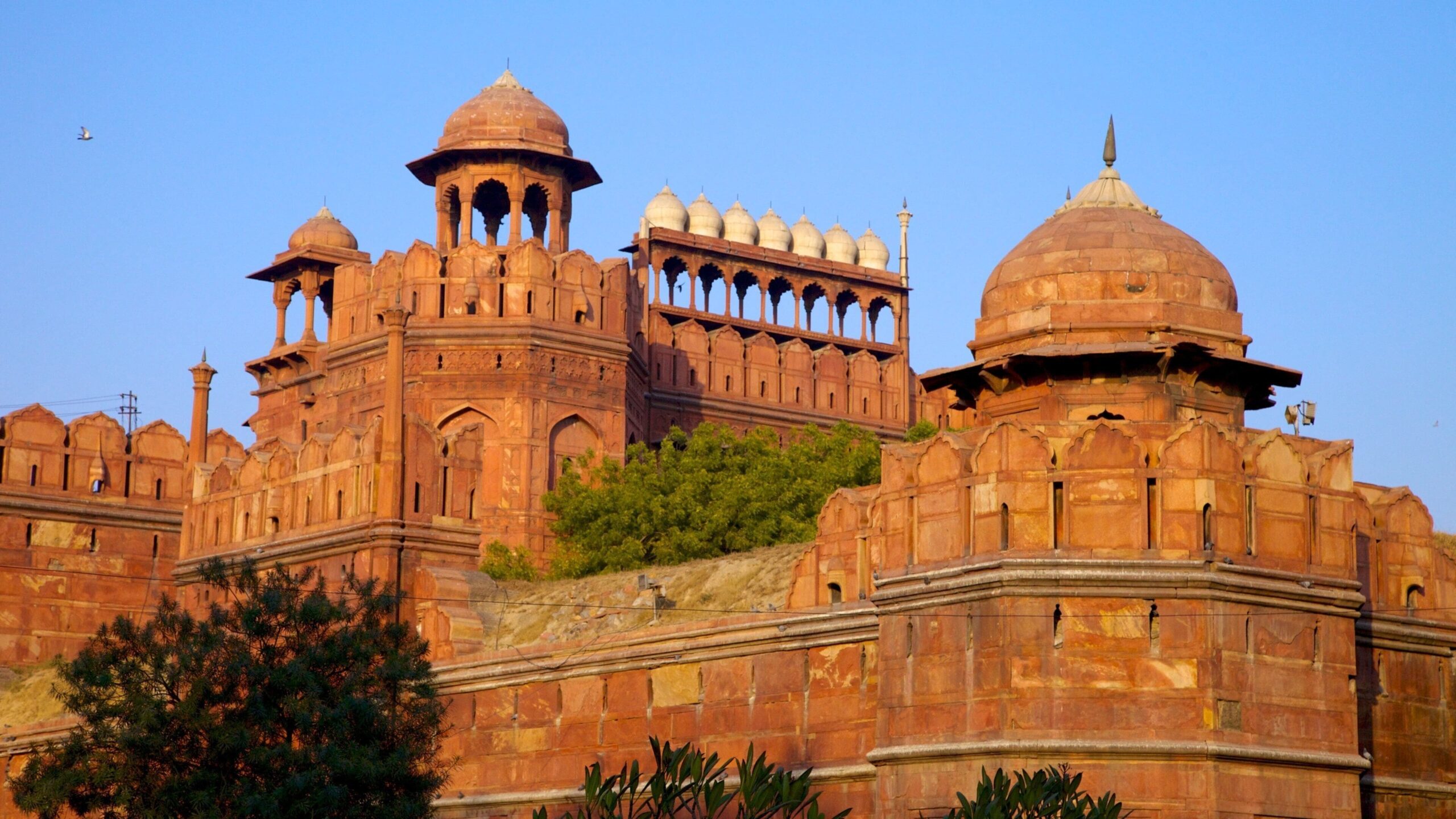
The magnificent Chittorgarh Fort stands as one of India’s largest and most historic forts. Located in the city of Chittorgarh, this grand fortress symbolizes Rajput bravery, sacrifice, honor, and architectural excellence. Spread across approximately 700 acres and perched on a hill rising about 180 meters above the surrounding plains, Chittorgarh Fort has witnessed centuries of warfare, heroism, and royal grandeur.
The fort served as the capital of the Mewar Kingdom from the 8th to the 16th century and became the center of Rajput resistance against invading forces. Today, it is recognized as part of the UNESCO-listed Hill Forts of Rajasthan, attracting millions of tourists, history enthusiasts, photographers, and cultural explorers every year.
This article provides a complete guide to Chittorgarh Fort, covering its history, architecture, attractions, legends, timings, entry fees, travel tips, and tourism significance.
Quick Information About Chittorgarh Fort
| Particular | Details |
|---|---|
| Fort Name | Chittorgarh Fort |
| Location | Chittorgarh, Rajasthan |
| State | Rajasthan |
| Built By | Maurya Dynasty (believed) |
| Built In | Around 7th Century |
| Elevation | Approximately 180 meters |
| Area Covered | Around 700 Acres |
| UNESCO Status | UNESCO World Heritage Site |
| Famous For | Rajput Valor, Jauhar, Vijay Stambh |
| Best Time to Visit | October to March |
| Nearest Airport | Maharana Pratap Airport, Udaipur |
| Nearest Railway Station | Chittorgarh Junction |
History of Chittorgarh Fort
The history of Chittorgarh Fort dates back to the 7th century. Historians believe the fort was originally built by the Mauryan rulers and later became the stronghold of the Sisodia Rajputs of Mewar. The fort remained the political and cultural center of Mewar for nearly 800 years.
The fort’s historical importance lies in its repeated resistance against powerful invaders. It endured three major sieges that shaped Rajput history forever.
First Siege (1303)
The first major attack occurred when Alauddin Khalji invaded Chittorgarh. According to historical accounts, the invasion was linked to the legendary beauty of Rani Padmini. After a prolonged battle, Rajput warriors fought to the last breath while thousands of women committed Jauhar to protect their honor.
Second Siege (1535)
The second siege occurred under Bahadur Shah. Once again, Rajput defenders displayed extraordinary courage. Another mass Jauhar took place, reinforcing Chittorgarh’s reputation as a symbol of sacrifice.
Third Siege (1567–68)
The most devastating siege was conducted by Akbar. Despite fierce resistance, the fort eventually fell. Following this conquest, the capital of Mewar shifted to Udaipur.

UNESCO World Heritage Status
In 2013, Chittorgarh Fort was included in the UNESCO World Heritage Site list as part of the “Hill Forts of Rajasthan.” UNESCO recognized the fort for its outstanding Rajput military architecture, historical significance, and cultural heritage.
The fort represents:
- Rajput defense strategies
- Ancient water conservation systems
- Magnificent palace complexes
- Religious architecture
- Historical military engineering
Its massive walls, temples, towers, reservoirs, and palaces continue to attract scholars and travelers from around the world.
Architecture of Chittorgarh Fort
The architecture of Chittorgarh Fort is a masterpiece of Rajput engineering. The fort stretches across a vast plateau and is protected by massive stone walls.
Key architectural features include:
Massive Fortification
The fort covers approximately 280 hectares and has a perimeter of nearly 13 kilometers. The strategic hilltop location provided a natural defense mechanism against invaders.
Seven Fort Gates
The entrance to the fort passes through seven massive gates:
- Padan Pol
- Bhairon Pol
- Hanuman Pol
- Ganesh Pol
- Jorla Pol
- Laxman Pol
- Ram Pol
These gates were designed to slow enemy advancement and strengthen defensive capabilities.
Water Management System
One of the most impressive features is its water conservation system. Historical records suggest the fort once contained dozens of reservoirs capable of supporting thousands of people during long sieges.
Major Attractions Inside Chittorgarh Fort
Vijay Stambh (Victory Tower)

The most iconic monument inside the fort is the Vijay Stambh.
Built by Rana Kumbha in the 15th century, the tower commemorates his victory over the rulers of Malwa and Gujarat. Rising approximately 37 meters high, it consists of nine stories adorned with intricate carvings and sculptures.
Kirti Stambh
The Kirti Stambh is another remarkable tower within the fort.
Dedicated to the first Jain Tirthankara, Adinath, it showcases beautiful Jain architecture and artistic craftsmanship.
Rani Padmini Palace
The Padmini Palace is closely associated with the legendary story of Rani Padmini.
The palace overlooks a lotus pool and remains one of the most photographed attractions inside the fort.
Rana Kumbha Palace
The Rana Kumbha Palace is among the oldest structures in the fort complex.
This palace is believed to have been the residence of Rana Kumbha and is associated with the historical accounts of Jauhar.
Meera Temple
The Meera Temple honors the famous saint-poet Meerabai.
Dedicated to Lord Krishna, the temple reflects the deep spiritual traditions of Mewar.
Kalika Mata Temple
The ancient Kalika Mata Temple is one of the oldest temples in the fort and attracts devotees throughout the year.
The Legend of Rani Padmini
No discussion of Chittorgarh Fort is complete without mentioning the legendary tale of Rani Padmini.
According to folklore, Alauddin Khalji became obsessed with seeing her beauty. Through a clever arrangement, he was allowed only a reflection of the queen. However, his desire to capture Chittorgarh led to a prolonged siege.
When defeat became inevitable, Rani Padmini and thousands of women performed Jauhar, while Rajput warriors marched into battle prepared to die for their homeland.
This story remains deeply embedded in Rajput culture and identity.
Importance in Rajput History
Chittorgarh Fort is not merely a historical monument; it represents the ideals of:
- Courage
- Honor
- Sacrifice
- Patriotism
- Freedom
For Rajputs, Chittorgarh remains a sacred symbol of resistance against oppression. The stories of Rajput warriors and queens continue to inspire generations.
Tourism at Chittorgarh Fort
Tourism plays a significant role in the local economy.
Visitors come to experience:
- Historical architecture
- UNESCO heritage status
- Photography opportunities
- Cultural festivals
- Light and sound shows
- Rajput history
The fort offers panoramic views of the surrounding landscape and is particularly beautiful during sunrise and sunset.
Best Time to Visit Chittorgarh Fort
The ideal period to visit is from October to March.
Winter (October–March)
- Pleasant weather
- Ideal sightseeing conditions
- Comfortable exploration
Summer (April–June)
- Extremely hot temperatures
- Less suitable for day visits
Monsoon (July–September)
- Green surroundings
- Scenic landscapes
- Moderate tourist crowds
How to Reach Chittorgarh Fort
By Air
Nearest Airport:
- Maharana Pratap Airport, Udaipur
Distance:
- Approximately 90 km
By Train
Nearest Railway Station:
- Chittorgarh Junction
The station is well-connected to major Indian cities.
By Road
Regular buses and taxis connect Chittorgarh with:
- Udaipur
- Jaipur
- Kota
- Ajmer
- Ahmedabad
Entry Fee and Timings
| Category | Entry Fee |
|---|---|
| Indian Citizens | As per ASI rates |
| Foreign Tourists | As per ASI rates |
| Camera Charges | Subject to current rules |
Timings
- Opening Time: 9:00 AM
- Closing Time: 5:00 PM
Visitors should verify the latest ticket prices before planning their trip.
Travel Tips
- Wear comfortable walking shoes.
- Carry drinking water.
- Start early to avoid crowds.
- Hire a local guide for historical insights.
- Visit Vijay Stambh during daylight hours.
- Keep a camera ready for panoramic views.
- Allocate at least half a day for exploration.
Interesting Facts About Chittorgarh Fort
- One of the largest forts in India.
- Spread across nearly 700 acres.
- UNESCO World Heritage Site since 2013.
- Capital of Mewar for centuries.
- Famous for three historic sieges.
- Houses temples, towers, palaces, and reservoirs.
- Symbol of Rajput valor and sacrifice.
FAQs About Chittorgarh Fort
1. Where is Chittorgarh Fort located?
Chittorgarh Fort is located in the city of Chittorgarh in the Indian state of Rajasthan.
2. Why is Chittorgarh Fort famous?
Chittorgarh Fort is famous for its rich Rajput history, tales of bravery, the legend of Rani Padmini, Vijay Stambh, and its UNESCO World Heritage status.
3. Who built Chittorgarh Fort?
The fort is believed to have been originally built by the Maurya rulers and later expanded by the Sisodia Rajputs of Mewar.
4. Is Chittorgarh Fort a UNESCO World Heritage Site?
Yes, Chittorgarh Fort was declared a UNESCO World Heritage Site in 2013 as part of the Hill Forts of Rajasthan.
5. What is the size of Chittorgarh Fort?
The fort covers approximately 700 acres and is one of the largest forts in India.
6. How many gates are there in Chittorgarh Fort?
There are seven main gates, including Ram Pol, Hanuman Pol, Bhairon Pol, and Ganesh Pol.
7. What is Vijay Stambh in Chittorgarh Fort?
Vijay Stambh is a nine-story victory tower built by Rana Kumbha to commemorate his military victories.
8. What is Kirti Stambh?
Kirti Stambh is a Jain tower dedicated to the first Jain Tirthankara, Adinath.
9. Who was Rani Padmini?
Rani Padmini was the legendary queen of Chittorgarh, known for her beauty, courage, and sacrifice.
10. What is the story of Jauhar at Chittorgarh Fort?
Jauhar refers to the mass self-sacrifice performed by Rajput women to protect their honor during enemy invasions.
11. How many times was Chittorgarh Fort attacked?
The fort faced three major sieges by Alauddin Khalji, Bahadur Shah of Gujarat, and Mughal Emperor Akbar.
12. What is the best time to visit Chittorgarh Fort?
The best time to visit is from October to March when the weather is pleasant for sightseeing.
13. What are the visiting hours of Chittorgarh Fort?
The fort is generally open daily from 9:00 AM to 5:00 PM.
14. How much is the entry fee for Chittorgarh Fort?
Entry fees are determined by the Archaeological Survey of India (ASI) and may vary for Indian and foreign tourists.
15. How can I reach Chittorgarh Fort?
Visitors can reach the fort by road, rail, or air. The nearest airport is Maharana Pratap Airport.
16. Which palace is associated with Rani Padmini?
Padmini Palace is associated with the legendary queen Rani Padmini.
17. What are the main attractions inside Chittorgarh Fort?
Major attractions include Vijay Stambh, Kirti Stambh, Rana Kumbha Palace, Padmini Palace, Meera Temple, and Kalika Mata Temple.
18. How much time is required to explore Chittorgarh Fort?
A minimum of 4–6 hours is recommended to explore the major attractions inside the fort.
19. Is photography allowed inside Chittorgarh Fort?
Yes, photography is generally allowed, making it a popular destination for photographers and travelers.
20. Why should tourists visit Chittorgarh Fort?
Tourists should visit Chittorgarh Fort to experience Rajput history, stunning architecture, UNESCO heritage attractions, panoramic views, and fascinating legends of courage and sacrifice.
Conclusion
Chittorgarh Fort is much more than a fort—it is a living testament to India’s glorious past. Its towering walls, legendary tales of heroism, remarkable architecture, and UNESCO recognition make it one of the most important heritage destinations in the country. Whether you are a history enthusiast, architecture lover, photographer, or traveler, Chittorgarh Fort offers an unforgettable journey into the heart of Rajputana.
The fort continues to stand proudly as a symbol of courage, sacrifice, and resilience, reminding visitors of the glorious legacy of Mewar and the indomitable spirit of the Rajputs.