Explore the complete guide to Vaishno Devi Temple including history, significance, darshan details, trekking route, timings, best time to visit, nearby attractions, accommodation, and travel tips for pilgrims.
Vaishno Devi Temple
The sacred Vaishno Devi Temple is one of the most revered Hindu pilgrimage sites in India. Situated amidst the picturesque Trikuta Hills in the Union Territory of Jammu and Kashmir, the shrine attracts millions of devotees every year. Pilgrims undertake a spiritual journey of approximately 13 kilometers from Katra to seek the blessings of Mata Vaishno Devi.
Known as the “Mata Rani” pilgrimage, the temple is considered one of the most powerful Shakti Peeths in Hinduism. Devotees believe that sincere prayers offered at the shrine fulfill wishes and bring peace, prosperity, and spiritual growth.
Introduction to Vaishno Devi Temple
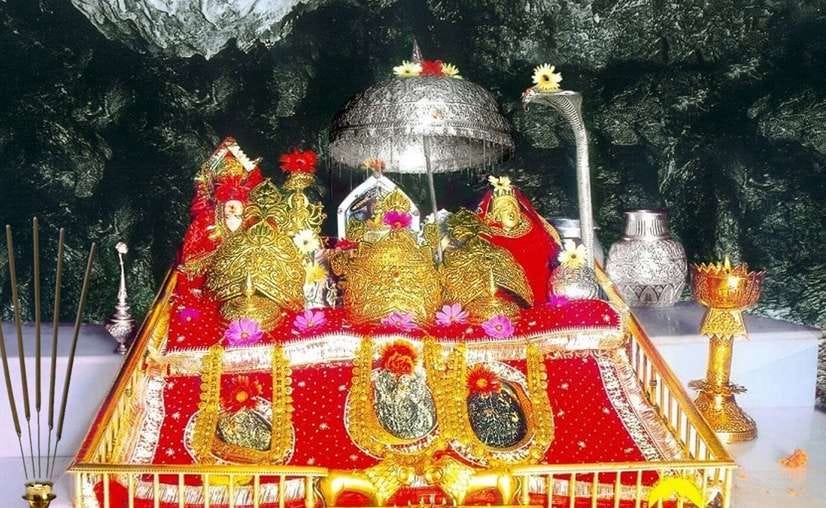
Vaishno Devi Temple is located at an altitude of approximately 5,200 feet above sea level in the Trikuta Mountains. The holy cave houses three natural rock formations known as Pindis, representing Goddess Mahakali, Goddess Mahalakshmi, and Goddess Mahasaraswati.
The shrine is managed by the Shri Mata Vaishno Devi Shrine Board and is among the most visited religious destinations in India.
Millions of devotees from across India and abroad visit the temple annually to experience divine blessings and the spiritual atmosphere surrounding the holy cave.
History of Vaishno Devi Temple
The history of Vaishno Devi Temple is deeply rooted in Hindu mythology and ancient traditions. According to legends, Mata Vaishno Devi was an incarnation of the combined energies of Goddess Lakshmi, Goddess Saraswati, and Goddess Kali.
She was born to uphold righteousness and guide humanity toward spiritual enlightenment. During her earthly life, she performed intense meditation in the Trikuta Hills.
A tantric saint named Bhairon Nath became fascinated by her spiritual powers and began pursuing her. To protect her devotees and maintain her sacred mission, the Goddess moved through various caves in the mountains.
Eventually, she took refuge in the holy cave where she revealed her divine form and defeated Bhairon Nath. Before his death, Bhairon Nath sought forgiveness. The compassionate Goddess granted him salvation and declared that devotees’ pilgrimage would remain incomplete without visiting his temple.
This is why pilgrims visit the Bhairon Temple after completing their darshan at Vaishno Devi Shrine.
Religious Significance of Vaishno Devi Temple
Vaishno Devi Temple is considered one of the holiest shrines dedicated to the Divine Mother. The shrine symbolizes the power of Shakti and represents the eternal triumph of good over evil.
The three sacred Pindis in the cave represent:
| Pindi | Goddess | Significance |
|---|---|---|
| Mahakali | Power | Protection from evil |
| Mahalakshmi | Wealth | Prosperity and abundance |
| Mahasaraswati | Knowledge | Wisdom and learning |
Devotees believe that visiting the shrine with pure devotion brings spiritual fulfillment and blessings.
Location of Vaishno Devi Temple
The temple is situated in the Trikuta Mountains near:
| Location | Distance |
|---|---|
| Katra | 13 km |
| Jammu | 50 km |
| Srinagar | 250 km |
| Delhi | 650 km |
Katra serves as the base camp for pilgrims visiting the shrine.
Trek Route to Vaishno Devi Temple
The pilgrimage begins from Katra and continues uphill to the Bhawan (main shrine).
Main Route
Katra to Banganga
Distance: 1.5 km
This is the starting point of the pilgrimage where devotees traditionally take a holy bath.
Banganga to Charan Paduka
Distance: 1.5 km
Charan Paduka is believed to contain the footprints of Mata Vaishno Devi.
Charan Paduka to Ardhkuwari
Distance: 3 km
Ardhkuwari is a sacred cave where Mata Vaishno Devi is believed to have meditated for nine months.
Ardhkuwari to Sanjichhat
Distance: 4 km
This is one of the highest points of the trek and offers panoramic mountain views.
Sanjichhat to Bhawan
Distance: 3 km
The final stretch leads devotees to the holy cave.
Darshan at Vaishno Devi Temple
Darshan at the shrine involves viewing the three sacred Pindis.
The atmosphere inside the cave is filled with devotion as pilgrims chant:
“Jai Mata Di”
The shrine remains open throughout the year and receives visitors from all parts of the world.
Bhairon Temple
After completing darshan, devotees proceed to the nearby Bhairon Temple.
According to mythology, Mata Vaishno Devi granted Bhairon Nath salvation and declared that pilgrims should visit his temple to complete their yatra.
The temple is located approximately 2 km from Bhawan.
Architecture of Vaishno Devi Temple
Unlike traditional temples with elaborate structures, the sanctum of Vaishno Devi is a natural cave shrine.
The cave contains naturally formed rock structures representing divine energies.
Key features include:
- Natural cave formations
- Sacred water stream
- Ancient pilgrimage route
- Mountain surroundings
- Spiritual atmosphere
Best Time to Visit Vaishno Devi Temple
Although the shrine remains open throughout the year, certain seasons provide a more comfortable pilgrimage experience.
Summer (March to June)
- Pleasant weather
- Ideal for trekking
- Clear mountain views
Monsoon (July to September)
- Moderate rainfall
- Lush green surroundings
- Slippery pathways
Winter (October to February)
- Snowfall in nearby areas
- Cold weather
- Spiritual ambiance
The best months are March, April, May, September, October, and November.
Navratri Celebrations
The shrine witnesses massive crowds during the festival of Navratri.
Special decorations, prayers, and devotional programs are organized during both Chaitra and Sharad Navratri.
Thousands of devotees undertake the pilgrimage during this auspicious period.
Accommodation Facilities
Pilgrims can find various accommodation options in Katra and near the shrine.
Types of Accommodation
- Budget hotels
- Guest houses
- Shrine Board accommodations
- Luxury hotels
- Dormitories
Advance booking is recommended during peak seasons.
Transportation Facilities
By Air
Nearest Airport:
Jammu Airport
Distance from Katra: Approximately 50 km
By Train
Nearest Railway Station:
Shri Mata Vaishno Devi Katra Railway Station
Direct trains connect Katra with major Indian cities.
By Road
Regular buses and taxis operate from:
- Jammu
- Srinagar
- Delhi
- Chandigarh
- Amritsar
Helicopter Service
Helicopter services are available between Katra and Sanjichhat.
Benefits:
- Saves trekking time
- Suitable for senior citizens
- Comfortable travel option
Pilgrims still need to walk a short distance from Sanjichhat to Bhawan.
Pony, Palki, and Battery Car Services
For elderly devotees and those unable to trek:
- Pony service
- Palki service
- Battery car facility
- Porter service
These facilities make the pilgrimage accessible to everyone.
Things to Carry During Vaishno Devi Yatra
Essential items include:
- Comfortable walking shoes
- Warm clothing
- Raincoat
- Water bottle
- Identity proof
- Medicines
- Mobile charger
- Flashlight
Important Travel Tips
- Register before beginning the yatra.
- Carry valid identification.
- Follow shrine regulations.
- Avoid carrying prohibited items.
- Stay hydrated during trekking.
- Wear comfortable footwear.
- Respect religious customs.
- Keep the environment clean.
Nearby Tourist Attractions
Ardhkuwari Cave
A sacred cave associated with Mata Vaishno Devi’s meditation.
Banganga
Holy water stream visited by pilgrims.
Charan Paduka
Site believed to contain the footprints of the Goddess.
Sanjichhat
Popular viewpoint offering beautiful mountain scenery.
Why Vaishno Devi Temple is Famous
The temple is famous because:
- One of India’s most visited pilgrimage sites
- Sacred cave shrine
- Powerful spiritual significance
- Stunning mountain location
- Rich mythology
- Strong devotional traditions
- Millions of annual visitors
Frequently Asked Questions (FAQs)
1. Where is Vaishno Devi Temple located?
Vaishno Devi Temple is located in the Trikuta Hills near Katra in Jammu and Kashmir.
2. How far is the temple from Katra?
The shrine is approximately 13 kilometers from Katra.
3. What are the three Pindis?
They represent Mahakali, Mahalakshmi, and Mahasaraswati.
4. Is registration mandatory?
Yes, registration is required before beginning the pilgrimage.
5. What is the best time to visit?
March to June and September to November are ideal.
6. Is helicopter service available?
Yes, helicopter services operate between Katra and Sanjichhat.
7. Can senior citizens visit comfortably?
Yes, pony, palki, and battery car facilities are available.
8. How long does the trek take?
Most pilgrims take 4–8 hours depending on pace.
9. Is accommodation available near the shrine?
Yes, various accommodations are available in Katra and nearby areas.
10. Why is Bhairon Temple important?
The pilgrimage is considered complete only after visiting Bhairon Temple.
11. Is Vaishno Devi a Shakti Peeth?
It is regarded as one of the most important shrines dedicated to Shakti.
12. Can children undertake the trek?
Yes, many families visit with children.
13. Are food facilities available on the route?
Yes, several food stalls and refreshment centers are available.
14. Is photography allowed inside the cave?
Photography is generally restricted inside the sanctum.
15. What is the main significance of Vaishno Devi Temple?
The shrine symbolizes divine feminine power, faith, and spiritual fulfillment.
Conclusion
The pilgrimage to Vaishno Devi Temple is much more than a religious journey; it is a transformative spiritual experience. Nestled in the majestic Trikuta Hills, the shrine attracts devotees seeking divine blessings, inner peace, and spiritual fulfillment. Whether you are a pilgrim, traveler, or cultural enthusiast, a visit to Vaishno Devi offers a unique combination of faith, adventure, and natural beauty.
The sacred chants of “Jai Mata Di,” the scenic trekking route, and the divine atmosphere of the holy cave create memories that remain with devotees for a lifetime.