Explore Jaipur with this first-time visitor guide covering attractions, things to do, food, transport, hotels, budget, safety and travel tips.
Jaipur is one of the best places to begin exploring India. Known as the Pink City, Jaipur combines royal palaces, historic forts, colorful markets, traditional food, local crafts, and modern city life. For foreign tourists visiting India for the first time, the city offers a relatively easy introduction to Rajasthan’s culture and heritage.
This Jaipur Travel Guide for First-Time Visitors covers everything you need to plan your trip, including the best places to visit, things to do, the best time to travel, how to reach Jaipur, local transportation, accommodation, food, approximate costs, safety tips, and suggested itineraries.
Whether you are planning a short weekend trip or a longer Rajasthan journey, Jaipur can fit easily into your travel plans. It is also an excellent base for exploring nearby destinations such as Amer, Nahargarh, Jaigarh, Pushkar, and Ajmer.
Travel information note: Monument timings, entry fees, transport fares, visa rules, and local regulations can change. Always check the latest information on official government or tourism websites before your journey.
Why Visit Jaipur?
Jaipur is the capital of Rajasthan and one of India’s most recognizable heritage cities. The city was founded in the 18th century by Maharaja Sawai Jai Singh II and is famous for its planned streets, historic architecture, and royal heritage.
The city is particularly attractive to travelers who want to experience India’s history and culture in a compact destination.
Jaipur’s major attractions include Amer Fort, City Palace, Hawa Mahal, and Jantar Mantar. Rajasthan Tourism identifies Amer Palace and Jantar Mantar as UNESCO World Heritage attractions, while Hawa Mahal and City Palace are among the city’s major landmarks.
But Jaipur is more than monuments.
You can spend a morning exploring a centuries-old fort, have a traditional Rajasthani lunch, walk through a colorful bazaar in the afternoon, and watch the sunset from a hilltop in the evening.
For international visitors, Jaipur also works well as part of the popular Golden Triangle itinerary, usually combined with Delhi and Agra.
Jaipur at a Glance
| Information | Details |
|---|---|
| Location | Rajasthan, India |
| Known As | The Pink City |
| Best For | History, architecture, culture, food and shopping |
| Ideal Duration | 2–3 full days |
| Best Season | October to March |
| Main Attractions | Amer Fort, Hawa Mahal, City Palace, Jantar Mantar |
| Nearest Airport | Jaipur International Airport |
| Travel Style | Family, couple, solo and luxury travel |
| Nearby Destinations | Amer, Ajmer, Pushkar, Nahargarh, Jaigarh |
Best Places to Visit in Jaipur
1. Amer Fort
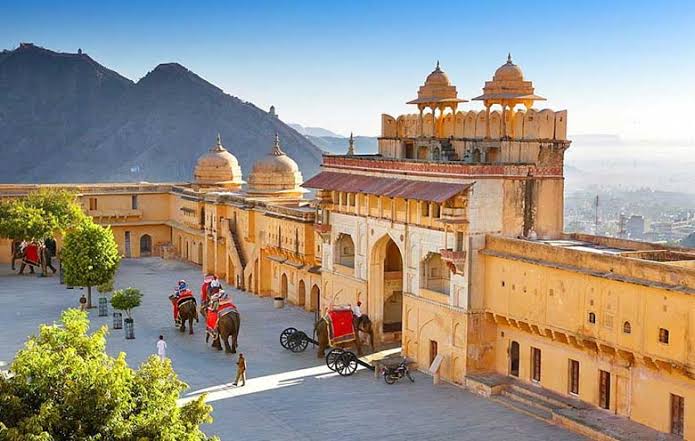
Amer Fort, also called Amber Fort, is one of the most important attractions in Jaipur.
Located roughly 11 km from central Jaipur, the fort sits on a hill and combines Rajput and Mughal architectural influences. The complex includes courtyards, royal rooms, gardens, temples and the famous Sheesh Mahal.
Take enough time to explore the fort instead of simply visiting for photographs. The courtyards and palace interiors reveal how the royal complex was organized.
The surrounding hills also provide excellent views.
Travel tip: Visit earlier in the day if possible, especially during warmer months. Check the latest ticketing, opening hours and visitor rules before going.
2. Hawa Mahal
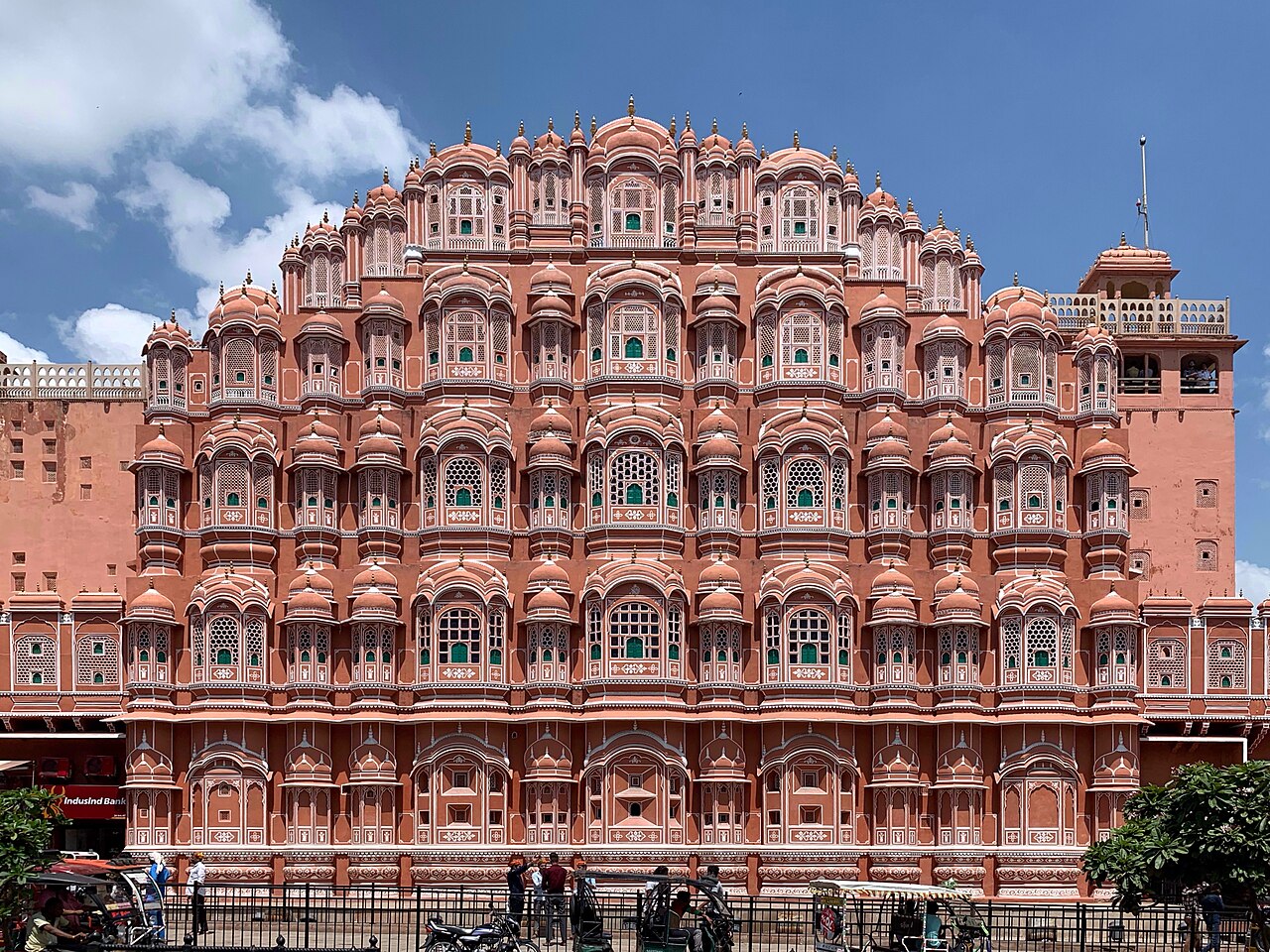
Hawa Mahal is probably Jaipur’s most recognizable building.
The five-storey structure was built in 1799 during the reign of Maharaja Sawai Pratap Singh. Its many small windows and jharokhas helped create ventilation while allowing royal women to observe activity on the streets without being easily seen.
The exterior is especially beautiful in the morning when the façade receives good natural light.
For the classic photograph, explore the streets around the monument rather than photographing it only from inside.
3. City Palace
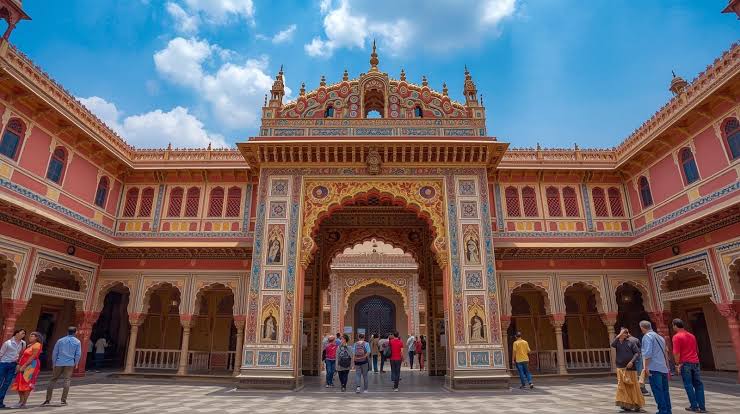
Located in the heart of the historic walled city, City Palace is a large complex containing courtyards, museums and royal buildings.
The architecture combines Rajput and Mughal influences. Museum collections include royal clothing, textiles, weapons and other historical objects.
If you enjoy history and architecture, allow several hours for this attraction.
4. Jantar Mantar
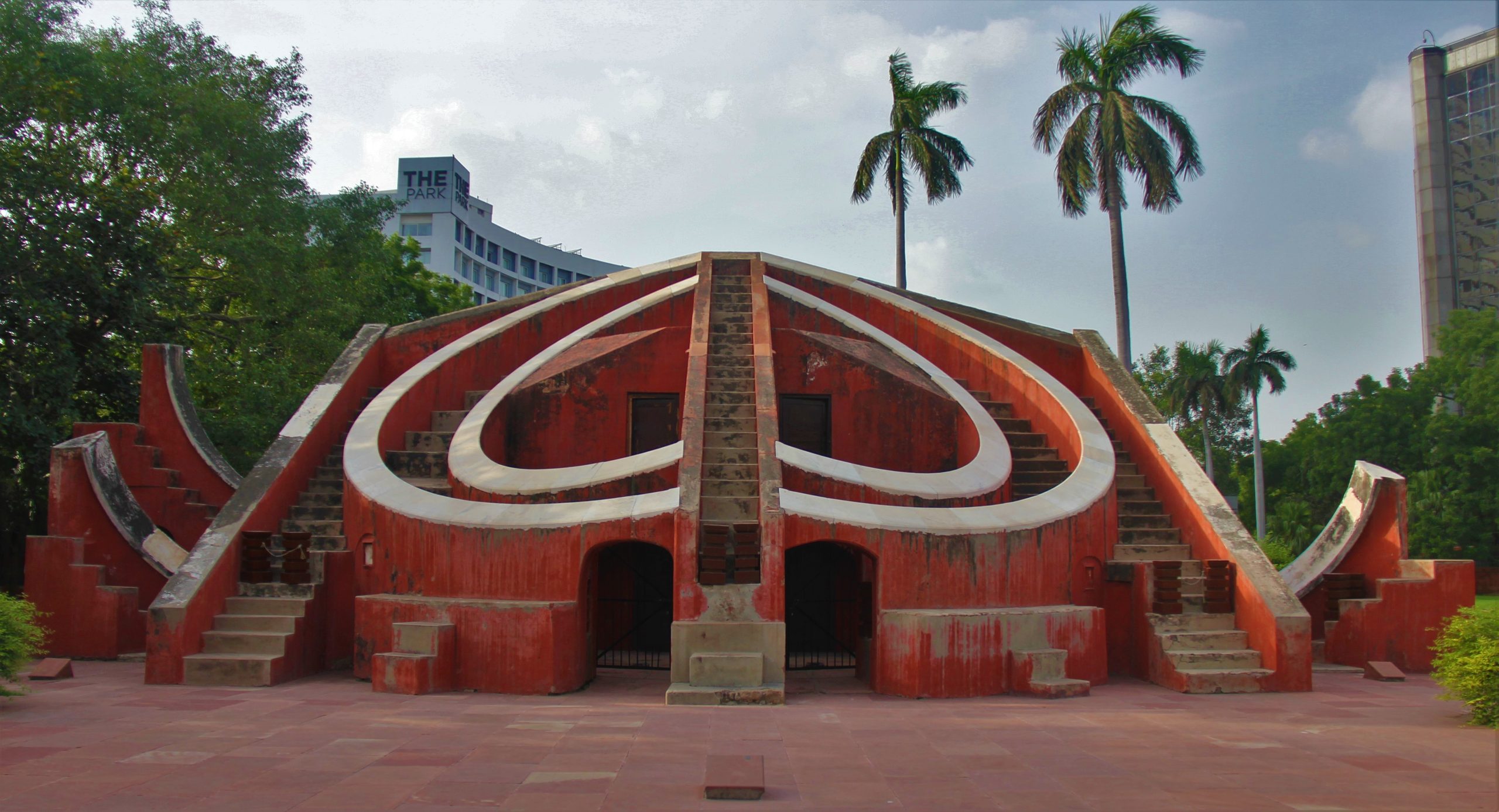
Jantar Mantar offers something different from Jaipur’s palaces and forts.
It is an astronomical observatory created under Maharaja Sawai Jai Singh II and contains large geometric instruments used for astronomical observations and time measurement. It is also a UNESCO World Heritage Site.
A guide can make the visit more interesting because the instruments can be difficult to understand simply by looking at them.
5. Nahargarh Fort
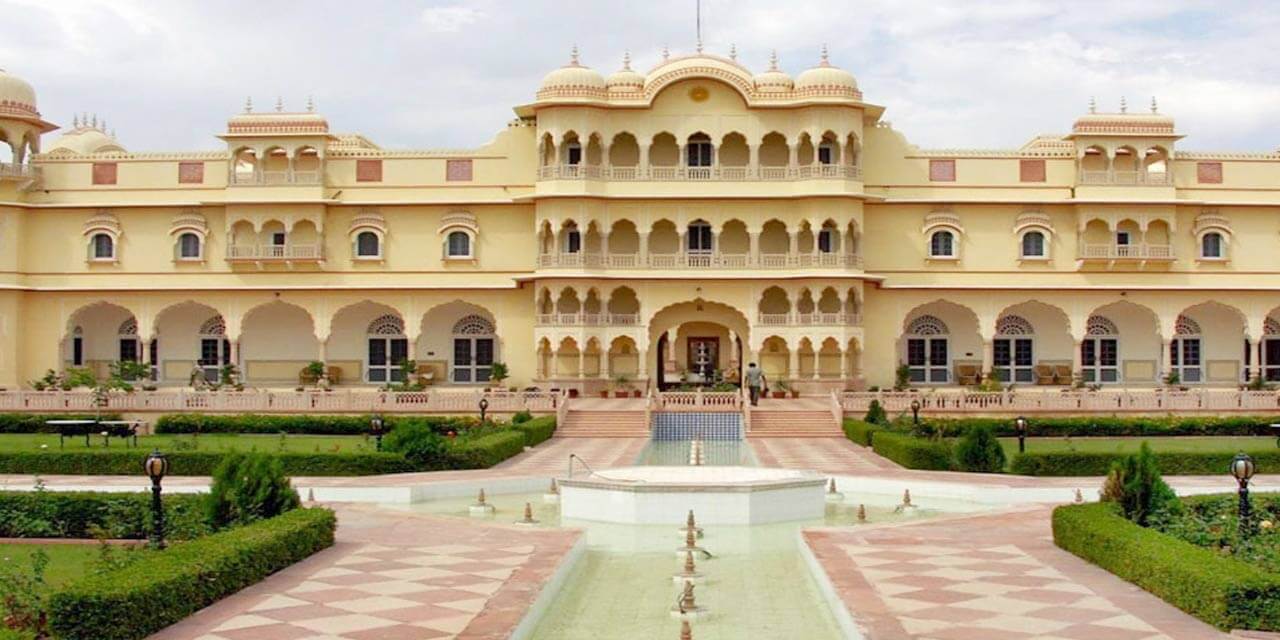
Nahargarh Fort stands on the Aravalli hills overlooking Jaipur.
It is particularly popular around sunset because of its elevated views of the city.
The fort is a good choice if you want to combine history with panoramic scenery.
6. Jaigarh Fort
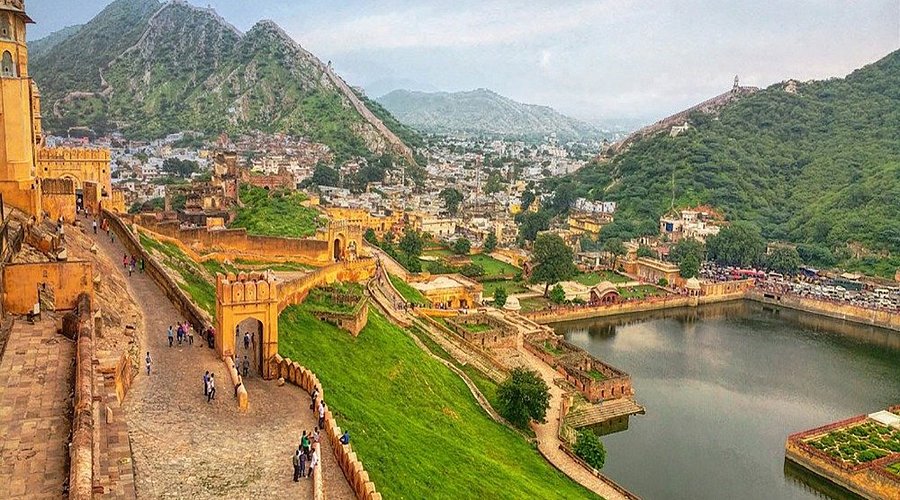
Jaigarh Fort is another important hilltop fort near Amer.
It is known for its military architecture and historic defensive structures. You can combine Jaigarh with Amer Fort because the two attractions are relatively close to each other.
7. Jal Mahal
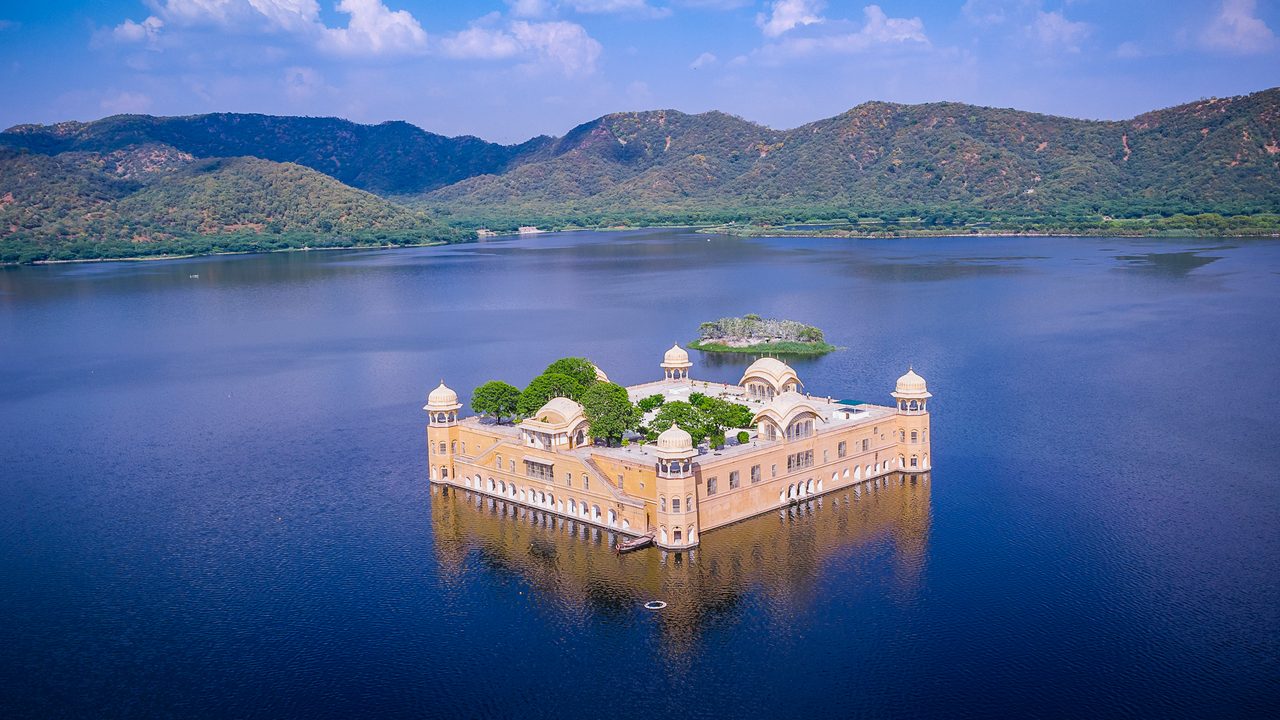
- Jal Mahal is a palace appearing to float in the middle of Man Sagar Lake.
- Visitors generally admire it from viewpoints along the road rather than treating it as a conventional palace visit.
- It is particularly attractive around sunrise and sunset when the water and surrounding hills create a scenic background.
8. Albert Hall Museum
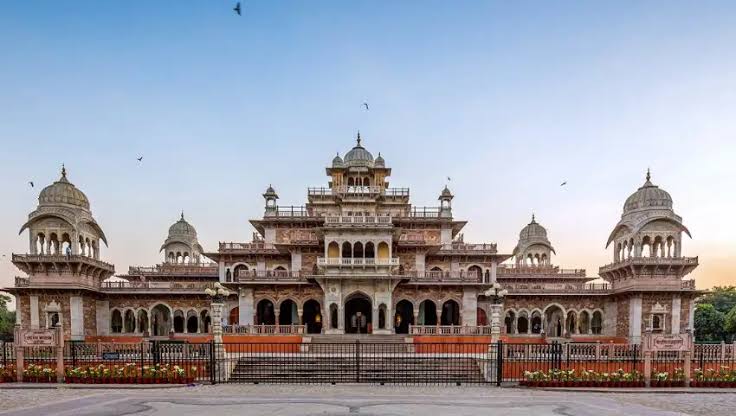
Albert Hall Museum is a useful stop for travelers interested in art, history and decorative objects.
The building itself is an architectural attraction, while the museum collection provides another perspective on Rajasthan’s artistic traditions.
9. Patrika Gate
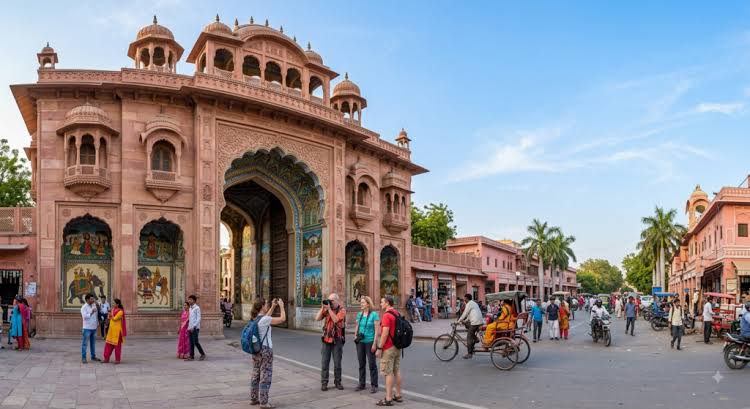
- Patrika Gate has become a popular photography location in Jaipur.
- Its colorful architectural details and painted interiors make it attractive for travelers interested in photography and Instagram-style travel content.
- Try visiting at a quieter time if you want photographs without large crowds.
Things to Do in Jaipur
A good Jaipur trip should not consist only of checking monuments off a list.
Explore the Old City
Walk through the historic areas around Hawa Mahal, City Palace and the local bazaars.
The streets are full of shops selling textiles, jewelry, handicrafts, footwear and traditional products.
Experience a Rajasthani Meal
Try local dishes such as dal baati churma, gatte ki sabzi, ker sangri and traditional sweets.
If you are unfamiliar with Indian spices, start with smaller portions and choose restaurants with good hygiene standards.
Shop at Jaipur’s Bazaars
Jaipur is famous for block printing, textiles, jewelry, blue pottery, handicrafts and traditional clothing.
Popular shopping areas include Johari Bazaar, Bapu Bazaar and Tripolia Bazaar.
Always compare prices before purchasing expensive items.
Watch the Sunset
Nahargarh Fort is one of the popular places for city views.
Another option is to choose a rooftop restaurant or hotel with a view of the historic city.
Take a Guided Heritage Tour
A knowledgeable local guide can explain the history behind the architecture, royal families and traditional neighborhoods.
For first-time visitors, a guided tour can also make it easier to understand what you are seeing.
Best Time to Visit Jaipur
For most travelers, October to March is the most comfortable period for exploring Jaipur.
The weather is generally more suitable for sightseeing than the hottest months.
October to November
These months can offer pleasant conditions for exploring forts, markets and outdoor attractions. The festive atmosphere can also add to the experience.
December to February
Winter is a popular travel season.
Mornings and evenings can be cool, so international visitors from warmer climates should carry a light jacket or sweater.
March to June
Temperatures can become very high, especially during the peak summer period.
If you visit during these months, schedule outdoor sightseeing for early morning and late afternoon and stay hydrated.
July to September
The monsoon can bring rain and higher humidity.
The landscape around Jaipur can become greener, although weather conditions may affect outdoor plans.
How to Reach Jaipur
By Air
Jaipur International Airport connects the city with major Indian destinations and selected international routes.
For international travelers, Jaipur can be reached directly depending on the current flight network, or through major Indian gateways such as Delhi or Mumbai.
Always check current flight schedules before booking.
By Train
Jaipur is an important railway city and is connected with many major Indian destinations.
Traveling by train can be a convenient way to combine Jaipur with Delhi, Agra and other parts of Rajasthan.
Book through official railway channels or trusted booking services.
By Road
Jaipur is connected by highways with Delhi, Agra and several Rajasthan cities.
Private cars, taxis and buses are available for intercity travel.
For first-time international visitors, a pre-booked transfer can be simpler than arranging everything immediately after arrival.
Getting Around Jaipur
Jaipur has several transport options.
Auto-Rickshaws
Auto-rickshaws are useful for short distances.
Agree on the fare beforehand when a meter is not being used, or use a trusted app-based option where available.
Taxis and App-Based Cabs
Taxis and app-based cab services can be convenient for longer journeys.
They are especially useful when visiting attractions outside the central city.
Local Buses
Public buses can be economical, but they may take longer and can be less convenient for visitors unfamiliar with the city.
Private Car with Driver
For families or travelers visiting several attractions in one day, hiring a car with a driver can be practical.
It provides flexibility and avoids repeatedly negotiating transportation.
Where to Stay in Jaipur
Your ideal neighborhood depends on your travel style.
Old City
Staying near the Old City places you close to attractions such as Hawa Mahal, City Palace and Jantar Mantar.
It is a good choice if you want easy access to historic streets and markets.
Bani Park
Bani Park has a wide range of accommodation and is convenient for travelers looking for a balance between sightseeing and transport connections.
C-Scheme
C-Scheme is a more modern area with restaurants, cafés and hotels.
It can suit visitors who prefer a contemporary urban environment.
Luxury Heritage Hotels
Jaipur has several heritage-style properties where traditional architecture and hospitality are part of the experience.
These can be suitable for travelers looking for a more premium Rajasthan experience.
Before booking, check recent reviews, cancellation conditions, location, transport access and whether taxes are included in the displayed price.
What to Eat in Jaipur
Food is an important part of the Jaipur experience.
Dal Baati Churma
This is one of Rajasthan’s best-known traditional dishes.
Baati is baked dough traditionally served with dal and churma, a sweet preparation.
Gatte Ki Sabzi
Gatte are gram-flour dumplings cooked in a spiced gravy.
It is a classic Rajasthani vegetarian dish.
Ker Sangri
Ker sangri combines local desert-region ingredients and is traditionally prepared with spices.
Pyaz Kachori
Jaipur is also known for kachori, a crispy snack filled with spiced ingredients.
It is commonly eaten as a breakfast or snack.
Ghewar
Ghewar is a traditional Rajasthani sweet that is especially popular during festivals.
Foreign visitors who enjoy trying local desserts should add it to their food list.
Food safety tip: Choose busy, well-reviewed restaurants and drink sealed bottled water if you are unsure about local water quality.
Shopping in Jaipur
Jaipur is one of India’s most interesting shopping destinations.
Look for:
- Block-printed fabrics
- Blue pottery
- Handicrafts
- Traditional jewelry
- Leather footwear
- Scarves and textiles
- Rajasthani artwork
- Traditional clothing
When buying expensive jewelry, gemstones or antiques, be particularly careful.
Ask for proper documentation and purchase from established sellers. Do not feel pressured to buy something simply because a seller claims it is rare or valuable.
Jaipur Travel Budget
Your budget will depend heavily on accommodation, transport and dining choices.
The following is a rough planning framework, not a fixed current price list.
| Travel Style | Approximate Daily Budget | Suitable For |
|---|---|---|
| Budget | ₹1,500–₹3,000+ | Backpackers |
| Mid-range | ₹3,500–₹7,000+ | Couples and independent travelers |
| Comfortable | ₹7,000–₹15,000+ | Families and comfortable travelers |
| Luxury | ₹15,000+ | Premium travelers |
These figures can vary considerably depending on hotel rates, season, private transport, attraction tickets, food choices and activities.
International travelers should also account for flights, visa costs, insurance and transportation between cities.
Always check current prices before finalizing your budget.
How Many Days Do You Need in Jaipur?
One Day
A one-day visit is possible but rushed.
Focus on Amer Fort, City Palace, Hawa Mahal and one evening viewpoint.
Two Days
Two days provide a much better first visit.
You can explore the major historical attractions on the first day and spend the second day visiting additional forts, museums, markets and viewpoints.
Three Days
Three days allow a more relaxed experience.
You can combine sightseeing with food, shopping and a nearby day trip.
For most first-time visitors, 2–3 full days is a practical duration.
Suggested Jaipur Itineraries
2-Day Jaipur Itinerary
Day 1:
- Hawa Mahal
- City Palace
- Jantar Mantar
- Old City markets
- Traditional Rajasthani dinner
Day 2:
- Amer Fort
- Jaigarh Fort
- Jal Mahal
- Nahargarh Fort
- Sunset city views
This itinerary covers most of Jaipur’s major attractions without trying to fit too many distant locations into a single day.
3-Day Jaipur Itinerary
Day 1 – Historic Jaipur
Explore Hawa Mahal, City Palace and Jantar Mantar.
Spend the evening walking through the markets and trying local food.
Day 2 – Forts and Hills
Start with Amer Fort.
Continue to Jaigarh Fort and then visit Jal Mahal.
End the day at Nahargarh for panoramic views if conditions and opening hours permit.
Day 3 – Culture and Relaxation
Visit Albert Hall Museum, explore local shopping areas and choose a cultural experience or relaxed café/rooftop evening.
You can also use the third day for a nearby excursion.
Jaipur Travel Tips for Foreign Tourists
1. Carry Copies of Important Documents
Keep digital and physical copies of your passport, visa, travel insurance and hotel information.
Keep the original passport secure.
2. Understand India’s Visa Rules
Foreign nationals generally need a valid passport and appropriate Indian visa or eVisa unless an exemption applies.
India’s official visa portal states that eligible travelers can apply for eVisa services online and that e-Tourist Visa categories include different validity periods. Visa eligibility and conditions depend on nationality and visa type.
The government also states that foreign nationals and OCI card holders must complete the e-Arrival Card within the specified pre-arrival window. This is an arrival requirement and is separate from obtaining a visa.
Always verify the latest rules directly through the official Government of India visa portal before traveling.
3. Respect Local Customs
India is culturally diverse.
Dress modestly when visiting temples and religious places, remove footwear where required, and ask before photographing people.
4. Carry Small Amounts of Cash
Cards and digital payments are widely used in urban areas, but small vendors and some local services may still prefer cash.
5. Stay Hydrated
Jaipur can become very hot.
Carry drinking water and use sun protection when sightseeing.
6. Start Early
Popular attractions become busier as the day progresses.
Morning sightseeing can also be more comfortable during warmer seasons.
7. Keep Your Belongings Secure
As in any busy tourist destination, take normal precautions in crowded markets, transport hubs and popular attractions.
8. Do Not Rush
Jaipur is more enjoyable when you leave some free time.
Instead of visiting ten places in one day, choose a manageable number and spend time experiencing the city.
Safety Tips for Jaipur
Jaipur is a major tourist destination, but travelers should use normal precautions.
Keep wallets, passports and phones secure in crowded areas.
Use licensed or reputable transportation services when possible.
If you are taking a taxi or auto-rickshaw, confirm the price before starting the journey when a meter or app fare is not being used.
Avoid accepting unsolicited offers from strangers for expensive shopping, gemstones, tours or transportation.
For solo travelers, share your daily plans with someone you trust and keep emergency contact details accessible.
Travel insurance is also worth considering, particularly for international visitors.
Jaipur for Families, Couples and Solo Travelers
Jaipur for Families
Families can enjoy forts, museums, markets and cultural attractions.
Plan shorter sightseeing sessions for young children and include breaks during the day.
Jaipur for Couples
Couples can combine heritage sightseeing with rooftop dining, sunset views and a stay in a heritage property.
A relaxed three-day itinerary can work particularly well.
Jaipur for Solo Travelers
Solo travelers can explore Jaipur independently, join organized walking tours and use reputable transport services.
Keep your accommodation details and emergency contacts available.
Best Day Trips from Jaipur
Pushkar
Pushkar is known for its lake, temples and spiritual atmosphere.
It can be combined with Ajmer for a full-day excursion.
Ajmer
Ajmer is an important religious and historical destination.
The city is particularly known for Ajmer Sharif Dargah.
Abhaneri
Abhaneri is famous for Chand Baori, one of India’s impressive historic stepwells.
It can be included in a road trip depending on your Rajasthan itinerary.
Samode
Samode is another option for travelers interested in heritage architecture and a quieter experience outside central Jaipur.
Practical Travel Checklist
Before leaving for Jaipur, make sure you have:
- Valid passport
- Appropriate Indian visa/eVisa
- Travel insurance
- Hotel booking details
- Flight and transport confirmations
- Copies of important documents
- Comfortable walking shoes
- Sun protection
- Reusable water bottle
- Phone charger/power bank
- Some Indian rupees
- Essential medicines
- Appropriate clothing for religious sites
Frequently Asked Questions
Q1. How many days are enough for Jaipur?
Two to three full days are generally enough for a first visit. Two days can cover the major forts, palaces and markets, while three days allows a more relaxed schedule.
Q2. What is the best time to visit Jaipur?
October to March is generally the most comfortable period for sightseeing. Summer can be very hot, while monsoon months can bring rain and humidity.
Q3. Is Jaipur good for first-time visitors to India?
Yes, Jaipur offers a strong introduction to Rajasthan’s architecture, food, markets and history. It can also be combined easily with Delhi and Agra.
Q4. What are the main attractions in Jaipur?
Major attractions include Amer Fort, Hawa Mahal, City Palace, Jantar Mantar, Nahargarh Fort, Jaigarh Fort, Jal Mahal and Albert Hall Museum.
Q5. Is Jaipur expensive for foreign tourists?
Jaipur can suit different budgets. Backpackers can travel relatively economically, while luxury hotels and private transportation can make a trip significantly more expensive.
Q6. Do foreign tourists need a visa for Jaipur?
Jaipur is in India, so foreign visitors generally need the appropriate Indian visa or eVisa unless they qualify for an exemption. Requirements vary by nationality and visa category, so check the official Indian visa portal before departure.
Q7. What food should I try in Jaipur?
Try traditional dishes such as dal baati churma, gatte ki sabzi, ker sangri, pyaz kachori and ghewar. Choose reputable restaurants if you are not accustomed to local food or spices.
Q8. Is Jaipur safe for solo travelers?
Many travelers visit Jaipur independently, but standard precautions are important. Use reputable transport, protect valuables and avoid accepting unsolicited offers from strangers.
Q9. Can Jaipur be visited as part of the Golden Triangle?
Yes. Jaipur is commonly combined with Delhi and Agra in a Golden Triangle journey. The three destinations provide a mix of historic monuments, Mughal and Rajput heritage, markets and cultural experiences.
Q10. Should I book Jaipur attractions in advance?
Advance booking can be useful for popular attractions, tours and busy travel periods. However, booking requirements vary, so check the official attraction or tourism website for the latest information.
Conclusion
Jaipur is an excellent destination for travelers who want to experience India’s royal heritage, architecture, food and colorful everyday culture in one city.
A first visit should include Amer Fort, Hawa Mahal, City Palace and Jantar Mantar, followed by time for local markets, traditional food and a hilltop sunset. Rajasthan Tourism lists these attractions among Jaipur’s key heritage experiences, with Amer Fort and Jantar Mantar holding UNESCO World Heritage status.
For most visitors, two or three full days provide enough time to explore Jaipur without rushing. If you have more time, add Pushkar, Ajmer or another Rajasthan destination to your itinerary.
Before traveling, verify current visa requirements, attraction opening hours, entrance fees, transport schedules and local rules through official sources. With some preparation and a flexible itinerary, Jaipur can become one of the most memorable stops on your India journey.