Plan your India trip with this foreign tourist guide covering visas, best places, transport, food, safety, budget, culture and travel tips.
India is one of the most diverse travel destinations in the world. From the historic streets of Delhi and the grand Taj Mahal in Agra to the beaches of Goa, the backwaters of Kerala, the mountains of Ladakh and the colorful culture of Rajasthan, India offers an enormous variety of experiences in one country.
For foreign tourists, however, traveling around India can feel overwhelming at first. The country is large, transport options are different from those in many Western countries, local customs vary by region, and the climate can change dramatically from one destination to another.
This India Travel Guide for Foreign Tourists is designed to make your first trip easier. It covers visas, the best places to visit, transportation, accommodation, food, money, internet access, cultural etiquette, safety, suggested itineraries and practical travel tips.
Whether you are planning a short holiday or a longer journey across India, this guide will help you understand what to expect and how to plan your trip more confidently.
Why Visit India?
India is not simply one destination. It is a collection of different cultures, landscapes, cuisines, languages and traditions.
A trip to India can include ancient monuments, wildlife safaris, spiritual experiences, mountain adventures, beaches, luxury hotels, local markets and traditional festivals.
1. Incredible Historical Sites
India has thousands of years of history. Famous attractions include the Taj Mahal, Red Fort, Qutub Minar, Amer Fort, Fatehpur Sikri and many historic temples.
Agra, Delhi, Jaipur and Rajasthan are particularly popular with international visitors interested in India’s history and architecture.
2. Diverse Landscapes
India has Himalayan mountains in the north, tropical beaches in the south, deserts in Rajasthan, forests in central India and fertile plains across much of the country.
This geographical diversity means you can plan very different types of holidays.
3. Indian Food
Indian cuisine is extremely diverse. Food varies from region to region.
You can try North Indian dishes such as butter chicken and naan, South Indian foods such as dosa and idli, Bengali seafood, Gujarati vegetarian cuisine, Rajasthani dishes and Kerala’s coconut-based cuisine.
4. Culture and Festivals
India’s festivals provide an opportunity to experience traditional music, food, art and celebrations.
Depending on your travel dates, you may encounter celebrations such as Diwali, Holi, Durga Puja, Navratri, Onam or Pongal.
The official Incredible India tourism platform provides information about destinations, festivals, experiences and travel planning.
Quick India Travel Information
| Information | Details |
|---|---|
| Country | India |
| Capital | New Delhi |
| Currency | Indian Rupee (INR/₹) |
| Main Language | Hindi and many regional languages |
| English | Widely used in tourism and business |
| Time Zone | Indian Standard Time (IST) |
| Electricity | Usually 230V, 50Hz |
| Driving Side | Left |
| Emergency Number | 112 |
| Best Trip Length | 10–21 days for a first major trip |
| Major Airports | Delhi, Mumbai, Bengaluru, Chennai, Hyderabad, Kolkata |
| Popular Destinations | Delhi, Agra, Jaipur, Goa, Kerala, Rajasthan, Mumbai |
Visa Requirements for Foreign Tourists
One of the first things you should check before booking your India trip is your visa requirement.
Most foreign nationals need a valid passport and an appropriate Indian visa or eligible eVisa before entering India. The official Indian Visa Online portal is operated under the Bureau of Immigration, Ministry of Home Affairs.
India e-Tourist Visa
Eligible foreign nationals can apply online for an e-Tourist Visa.
The official e-Visa system currently lists tourist visa options including one-month, one-year and five-year e-Tourist Visas, subject to the applicable conditions.
The e-Visa application process generally involves:
- Completing the online application.
- Uploading the required photograph and passport page.
- Paying the applicable visa fee.
- Receiving the Electronic Travel Authorization (ETA).
- Traveling to India after the ETA is granted.
- Presenting the required documents at immigration.
The government advises travelers to use the official Indian e-Visa website rather than unofficial agents claiming to provide express or special visa services.
Passport Requirements
For an e-Visa application, your passport generally needs at least six months of validity at the time of application, along with the required documentation. Travelers should check the latest requirements before applying because rules can change.
e-Arrival Card
Foreign nationals and OCI cardholders can complete the Indian e-Arrival Card online within 72 hours before arrival through the official channels specified by the Government of India.
The e-Arrival Card is an arrival information form and is not a visa.
Always check the official visa portal immediately before your journey for the latest eligibility, documents, fees, permitted entry points and other requirements.
Best Time to Visit India
India is a huge country, so there is no single perfect travel season for every destination.
October to March
For many popular northern and central Indian destinations, October to March is a comfortable period for sightseeing.
Delhi, Agra, Jaipur and Rajasthan are particularly popular during the cooler months.
December and January can be cold in northern India, especially in the mornings and evenings.
April to June
These months can be very hot in many parts of India.
However, they can be suitable for Himalayan destinations and some wildlife experiences.
If you travel during summer, plan outdoor sightseeing around cooler parts of the day and stay hydrated.
June to September
The monsoon season affects many parts of India.
Rainfall can be heavy in some regions, but the season can also bring beautiful green landscapes.
Kerala, Goa and other western and southern destinations can have very different weather patterns from northern India.
Best Season by Region
| Region | Generally Popular Travel Period |
|---|---|
| North India | October–March |
| Rajasthan | October–March |
| Kerala | October–March |
| Goa | November–February |
| Himalayas | Depends on destination |
| Northeast India | Varies by state |
| Ladakh | Generally summer months |
Always check destination-specific weather forecasts before finalizing your itinerary.
How to Reach India
India has numerous international airports connected to major cities around the world.
Delhi
Indira Gandhi International Airport is one of India’s major international gateways.
Delhi is particularly convenient for travelers planning the Golden Triangle route.
Mumbai
Mumbai is an important international gateway for western and southern India.
It is also useful for travelers combining Mumbai with Goa or other destinations.
Bengaluru
Bengaluru is an important gateway to southern India and is well connected internationally.
Chennai
Chennai is useful for exploring Tamil Nadu and parts of South India.
Kolkata
Kolkata can be a convenient entry point for eastern India and some northeastern destinations.
Your best arrival airport depends on your itinerary. Avoid adding unnecessary domestic flights simply because your international flight arrives at a different city.
Best Places to Visit in India
India has far too many attractions to cover in a single trip. For a first visit, it is better to choose one region rather than trying to see everything.
1. Delhi
Delhi is one of the best starting points for foreign tourists.
Major attractions include:
- India Gate
- Red Fort
- Qutub Minar
- Humayun’s Tomb
- Lotus Temple
- Jama Masjid
- Old Delhi markets
Delhi also provides easy rail and air connections to other major destinations.
2. Agra
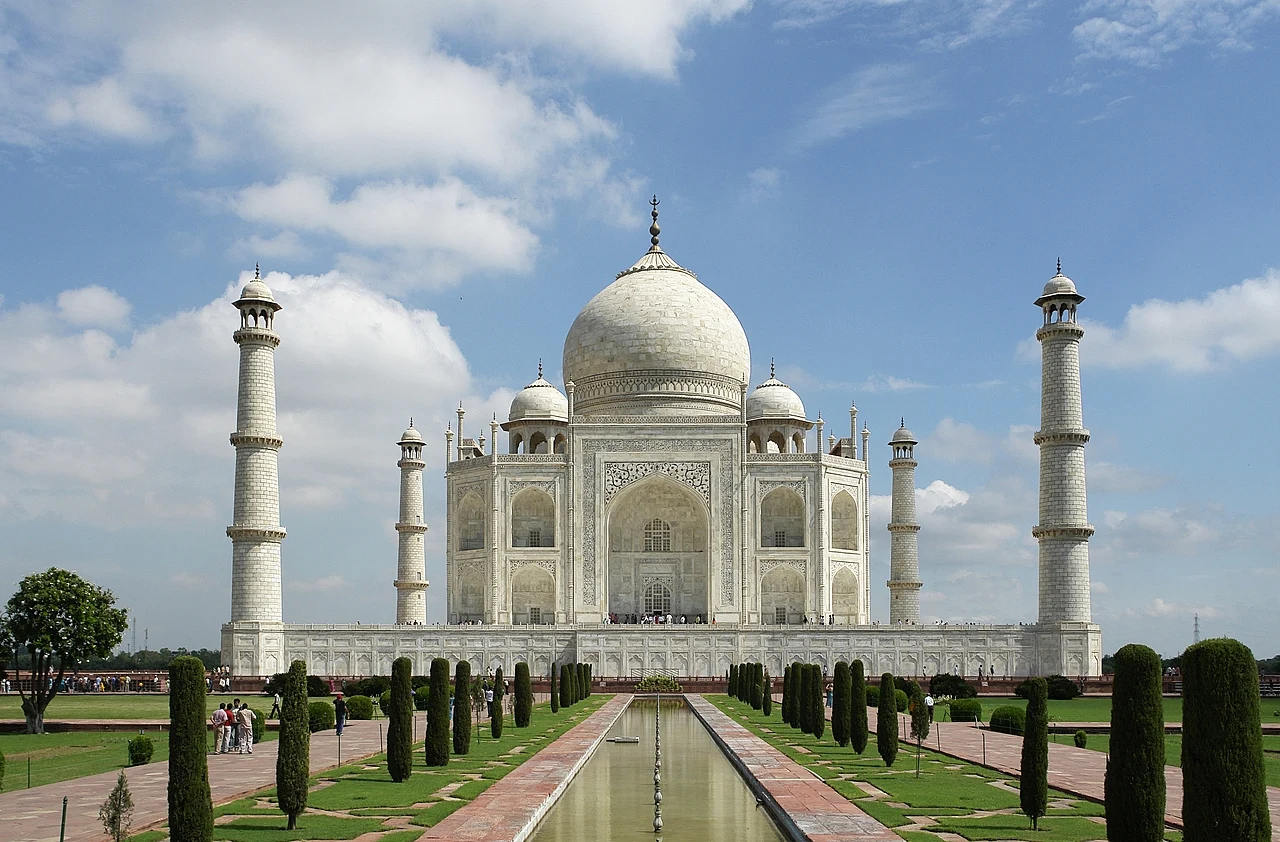
Agra is famous around the world because of the Taj Mahal.
The city is usually included in the Golden Triangle itinerary along with Delhi and Jaipur.
Other attractions include Agra Fort and nearby Mughal-era sites.
3. Jaipur
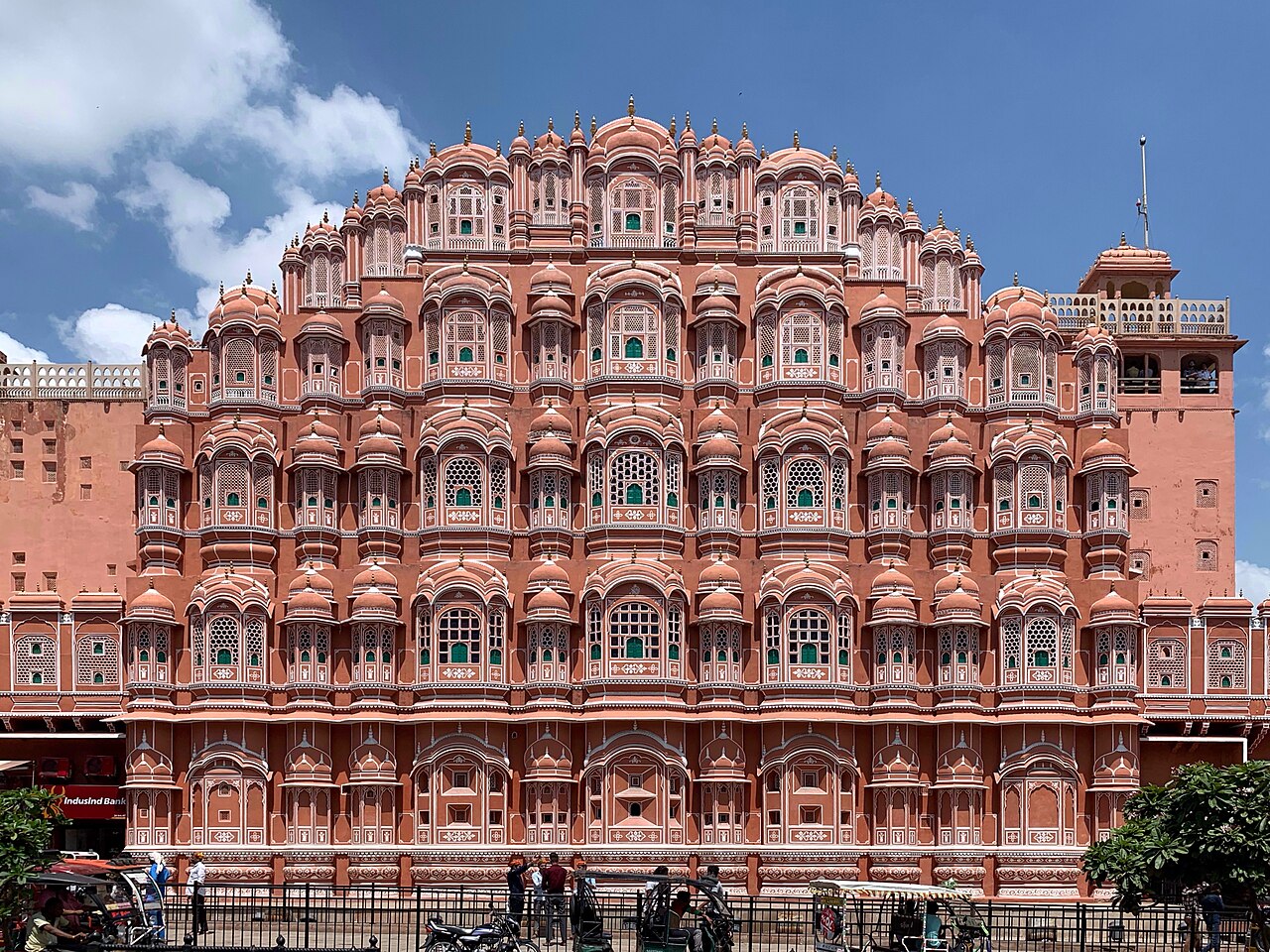
Jaipur is known as the Pink City.
Popular attractions include:
- Amber Fort
- City Palace
- Hawa Mahal
- Jantar Mantar
- Jal Mahal
- Local markets
Jaipur is also a good introduction to Rajasthan’s architecture, handicrafts and food.
4. Rajasthan
For travelers who want forts, palaces and desert landscapes, Rajasthan offers many choices.
Popular destinations include Jodhpur, Udaipur, Jaisalmer, Pushkar and Bikaner.
5. Goa
Goa is famous for beaches, Portuguese-influenced architecture, seafood and a relaxed holiday atmosphere.
It can work well for travelers who want to combine sightseeing with a beach vacation.
6. Kerala
Kerala is known for its backwaters, tropical scenery, beaches, traditional culture and cuisine.
Popular destinations include Kochi, Munnar, Alleppey, Thekkady and Kovalam.
7. Varanasi
Varanasi is one of India’s most culturally significant cities.
The Ganges ghats, evening ceremonies, narrow lanes and historic surroundings make it very different from India’s major modern cities.
Visitors should approach religious sites respectfully and follow local photography rules.
8. Mumbai
Mumbai combines colonial architecture, modern business districts, markets, entertainment and coastal scenery.
Popular attractions include Gateway of India, Chhatrapati Shivaji Maharaj Terminus and Marine Drive.
9. Himachal Pradesh
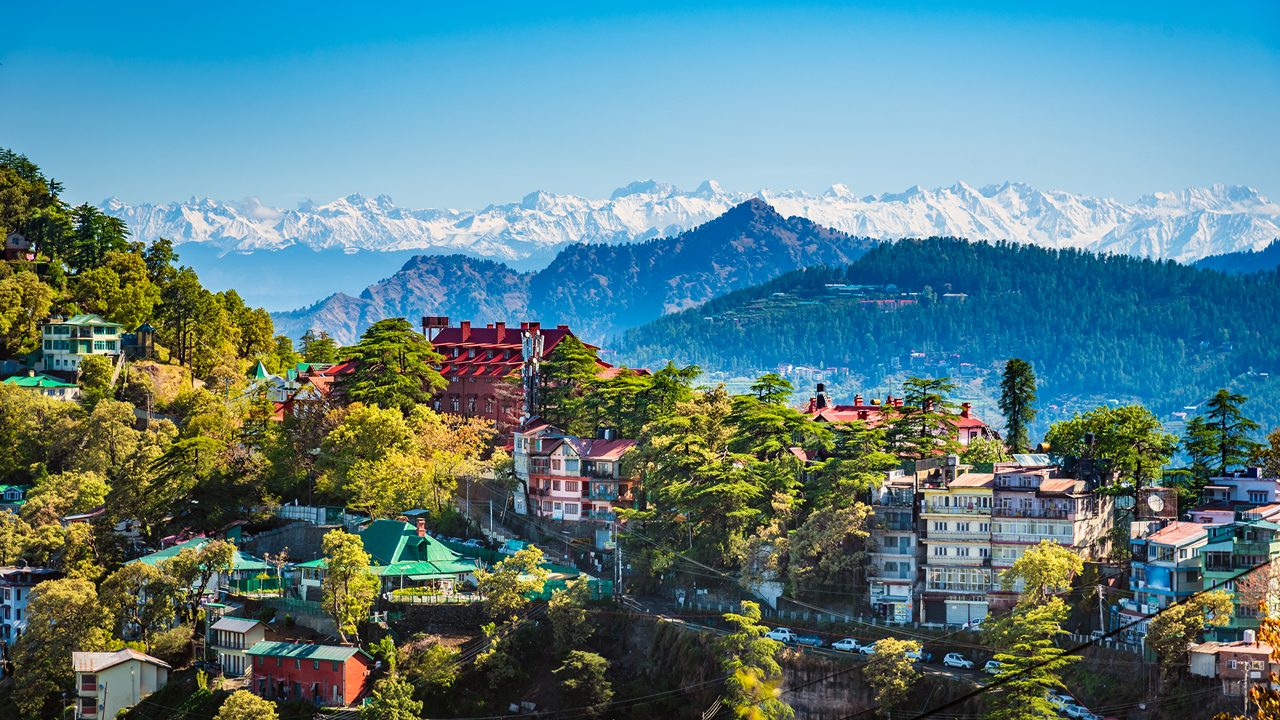
Travelers looking for mountains can explore destinations such as Shimla, Manali and Dharamshala.
These areas offer mountain scenery, hiking opportunities and a cooler climate.
10. Ladakh
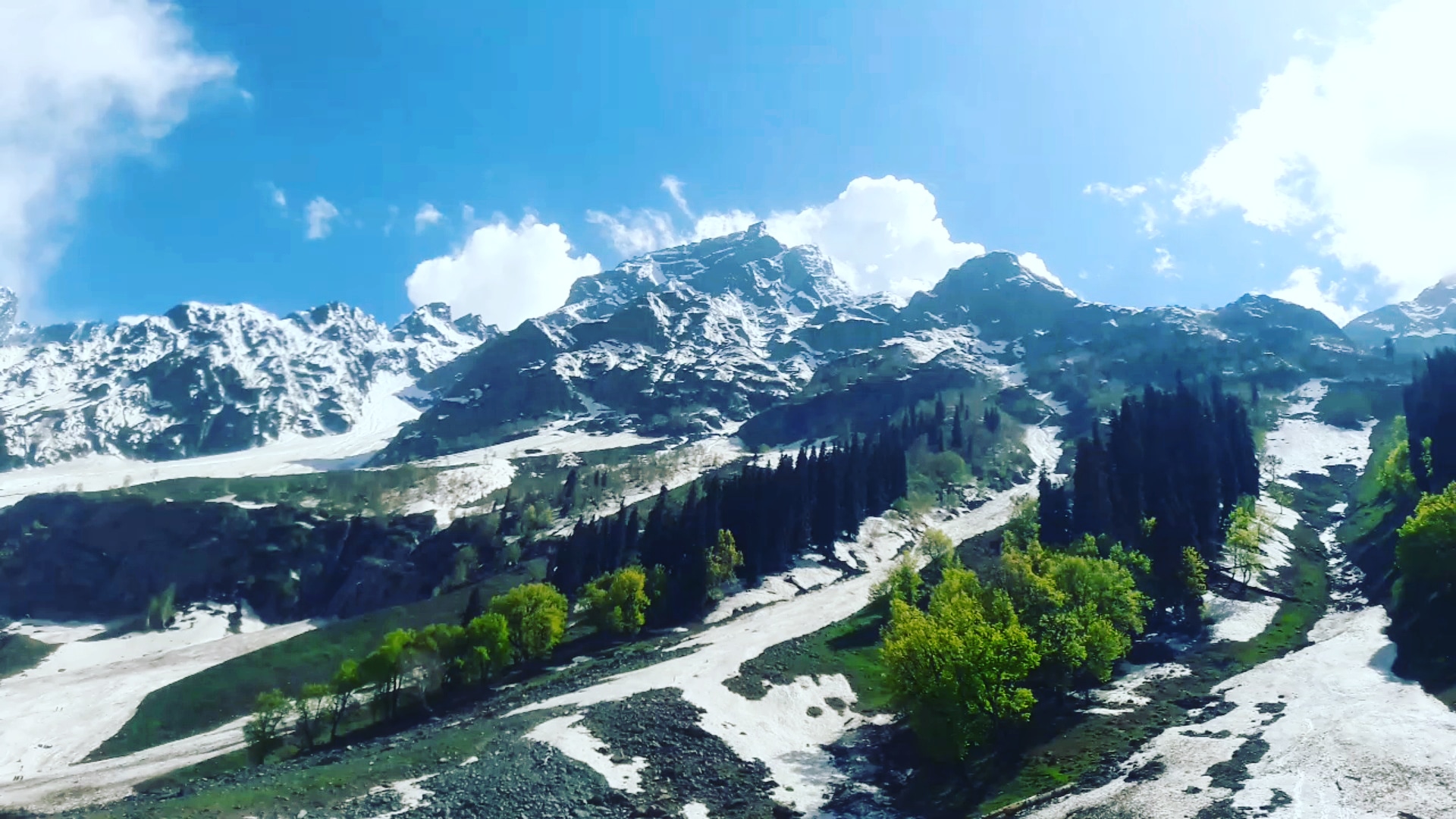
Ladakh is known for dramatic Himalayan landscapes, high-altitude roads, monasteries and unique Tibetan-Buddhist cultural influences.
Because of the altitude, travelers should plan carefully and allow time for acclimatization.
How to Travel Around India
India offers several transportation options.
Domestic Flights
Flying is useful when traveling between distant cities.
For example, Delhi to Kerala or Mumbai to Delhi can take considerably less time by air than by land.
Trains
Indian Railways connects a large part of the country.
Train travel can be a memorable experience, but first-time visitors should understand the different classes and booking systems.
For longer journeys, air-conditioned classes are often more comfortable for international visitors.
Metro Systems
Delhi, Mumbai, Bengaluru, Hyderabad, Chennai and other cities have metro systems.
Metro trains can be useful for avoiding road traffic.
Taxis and Ride-Hailing
In major cities, app-based ride services are commonly used.
Before entering a taxi or private vehicle, confirm the destination and fare arrangement.
Auto-Rickshaws
Auto-rickshaws are common in Indian cities.
They can be convenient for short journeys, but fares may vary. Where possible, use a metered or app-based service.
Where to Stay in India
India has accommodation for almost every budget.
Budget Hotels and Hostels
Suitable for backpackers and budget travelers.
Prices and standards vary significantly, so check recent reviews before booking.
Mid-Range Hotels
These can offer a good balance between comfort and price.
They are widely available in tourist destinations.
Luxury Hotels
India has many luxury hotels, heritage properties and resorts.
Rajasthan, Goa, Kerala and major metropolitan cities offer numerous high-end options.
Heritage Hotels
Heritage properties can provide a more traditional experience, particularly in Rajasthan.
Before booking, check whether the property is centrally located and whether transport is convenient.
Indian Food and Cuisine
Food is an important part of traveling through India.
Popular Foods to Try
Foreign tourists may want to try:
- Masala dosa
- Butter chicken
- Biryani
- Chole bhature
- Samosa
- Paneer dishes
- Thali
- Idli
- Vada
- Paratha
- Indian sweets
Vegetarian Food
Vegetarian food is widely available across India.
If you are vegetarian, you will usually find many options in restaurants, although menus vary by region.
Street Food
Street food can be one of the most enjoyable parts of an Indian trip.
However, travelers with sensitive stomachs should choose busy vendors where food is freshly prepared and served hot.
Drinking Water
For most foreign travelers, bottled, filtered or properly treated drinking water is a sensible choice.
Check that bottled water is properly sealed before drinking it.
Money, Currency and Payments
The official currency is the Indian Rupee (INR).
Cards and digital payments are widely used in cities, hotels and established businesses, but cash remains useful, particularly for small purchases and travel in rural areas.
Money Tips
- Carry some Indian rupees.
- Keep small denominations for local purchases.
- Use reputable banks or authorized exchange services.
- Inform your bank before international travel if necessary.
- Keep some emergency cash separately from your wallet.
- Check exchange rates before exchanging large amounts.
India’s customs authority also provides guidance on foreign currency declarations and passenger customs procedures.
Internet and Mobile Connectivity
Mobile connectivity is available across most major tourist destinations.
You can consider:
- International roaming
- Local SIM
- eSIM, where supported
- Hotel Wi-Fi
- Airport connectivity options
A local SIM or eSIM can be useful for navigation, ride-hailing, translation and communication.
Make sure your phone is unlocked if you plan to use a local SIM.
Indian Culture and Etiquette
Understanding local etiquette can make your trip more comfortable.
Respect Religious Places
Temples, mosques, churches, monasteries and other religious locations may have specific rules.
Follow signs and instructions from staff or local authorities.
Remove Shoes When Required
Some religious places require visitors to remove their shoes.
Watch what local visitors do and follow the site’s instructions.
Ask Before Photographing People
Many people are happy to interact with tourists, but it is polite to ask before taking someone’s photograph.
This is particularly important when photographing religious ceremonies, children or people working.
Avoid Public Disrespect
Be respectful of religious practices, local traditions and cultural differences.
India has many different communities, so customs can vary greatly between regions.
What to Wear in India
There is no single dress code for the entire country.
In major cities and tourist areas, clothing can be relatively relaxed. Religious and conservative areas may require more modest clothing.
For visiting temples and other religious places, shoulders and knees may need to be covered.
Comfortable cotton clothing can be useful in hot weather.
For Himalayan destinations, pack warm layers even if you are visiting India during the same period as a warm-weather destination.
Safety Tips for Foreign Tourists
India welcomes tourists from around the world, but normal travel precautions are important.
Keep Your Belongings Secure
Keep passports, money, phones and other valuables secure.
Use hotel safes when appropriate.
Be Careful in Crowded Areas
Busy railway stations, markets and tourist attractions can be crowded.
Keep bags closed and avoid displaying large amounts of cash.
Use Reputable Transportation
Use official, pre-booked or reputable app-based transportation where practical.
Be Careful With Unofficial Guides
At popular monuments, you may encounter people offering guiding services.
If you want a guide, consider booking through an established hotel, tourism organization or recognized provider.
Share Your Itinerary
If traveling alone, tell someone you trust about your itinerary.
Keep digital copies of important documents.
Emergency Number
India’s unified emergency response number is 112.
Save important local contacts before beginning your journey.
Health and Travel Insurance
Travel insurance is worth considering for international trips.
A suitable policy may provide protection for medical emergencies, trip disruption, baggage issues and other covered events.
Before traveling, check whether your policy covers:
- Medical treatment
- Hospitalization
- Emergency evacuation
- Lost baggage
- Trip cancellation
- Adventure activities, if relevant
Vaccination and Health Requirements
- Health requirements can depend on your country of departure and travel history.
- India’s official e-Visa information states that travelers arriving from yellow-fever-affected countries may need to carry a yellow fever vaccination certificate.
- Check the latest requirements from official Indian health and immigration sources before departure.
- If you take prescription medication, carry it in its original packaging and bring appropriate documentation.
India Travel Budget
Your budget will depend heavily on your travel style, destination and season.
Budget Travel
Budget travelers can reduce costs by using hostels, local restaurants, public transport and trains.
Mid-Range Travel
Mid-range travelers can choose comfortable hotels, domestic flights on selected routes, private transfers and organized activities.
Luxury Travel
Luxury travel in India can include five-star hotels, heritage properties, private guides, premium trains and private transportation.
Example Budget Categories
| Travel Style | Typical Choices |
|---|---|
| Budget | Hostels, local food, public transport |
| Mid-Range | 3–4 star hotels, trains/flights, restaurants |
| Luxury | 5-star hotels, private transfers, premium experiences |
Treat these as broad planning categories rather than fixed prices. Hotel rates, flights, exchange rates and seasonal costs change frequently.
Useful Hindi Words for Tourists
Learning a few simple Hindi words can make everyday interactions easier.
| English | Hindi |
|---|---|
| Hello | Namaste |
| Thank you | Dhanyavaad |
| Yes | Haan |
| No | Nahin |
| Please | Kripya |
| Water | Paani |
| Food | Khana |
| How much? | Kitna? |
| Where? | Kahan? |
| Help | Madad |
English is commonly understood in hotels, airports, tourist attractions and many urban areas, although regional languages are widely spoken throughout India.
Suggested India Itineraries
7-Day India Itinerary
For a first visit, consider the Golden Triangle:
Day 1–2: Delhi
Day 3: Agra
Day 4–5: Jaipur
Day 6: Jaipur or return toward Delhi
Day 7: Delhi and departure
This itinerary gives you an introduction to India’s history, architecture, food and urban culture.
10-Day India Itinerary
Days 1–2: Delhi
Day 3: Agra
Days 4–5: Jaipur
Days 6–7: Udaipur
Days 8–10: Mumbai
This route combines historic cities with Rajasthan and a major coastal metropolis.
14-Day India Itinerary
Days 1–2: Delhi
Day 3: Agra
Days 4–5: Jaipur
Days 6–7: Udaipur
Days 8–9: Mumbai
Days 10–11: Goa
Days 12–14: Goa or Kerala
For a first trip, avoid trying to cover too many distant regions. India is large, and spending more time in fewer destinations often makes the experience more enjoyable.
Common Mistakes to Avoid in India
Trying to See Too Much
India is much larger than many first-time visitors expect.
Do not create an itinerary that requires constant overnight travel.
Ignoring Travel Time
A destination may look close on a map but take several hours to reach because of road conditions and traffic.
Always check actual travel time.
Not Checking Weather
Weather varies significantly between regions.
Check destination-specific weather before packing.
Booking Everything at the Last Minute
Popular hotels, trains, flights and attractions can become busy during peak periods.
Advance planning can make your trip smoother.
Carrying Only Cards
Cards may work in many places, but cash remains useful.
Carry a reasonable emergency amount.
Disrespecting Local Customs
India has many religious and cultural traditions.
Learning basic etiquette before visiting temples, mosques, monasteries and other cultural sites can prevent uncomfortable situations.
Using Unofficial Visa Websites
Use the official Indian government visa portal for visa applications and verify any information that could affect your entry into India.
Frequently Asked Questions
1. Is India good for foreign tourists?
Yes. India offers a wide range of attractions, including historical monuments, beaches, mountains, wildlife, food and cultural experiences. Foreign tourists should plan according to the regions and experiences they want to explore.
2. Do foreign tourists need a visa for India?
Most foreign nationals need a valid Indian visa or eligible eVisa to enter India, subject to their nationality and circumstances. Always check the latest official requirements before traveling.
3. Can foreigners apply for an Indian e-Visa online?
Eligible foreign nationals can apply for an Indian e-Visa through the official government portal. Eligibility and requirements depend on nationality and visa category.
4. What is the best time to visit India?
For many popular destinations in northern and central India, October to March is a popular period because temperatures are generally more comfortable for sightseeing. However, the ideal season depends on the region.
5. How many days are enough for India?
There is no single answer. Seven to ten days can provide an introduction to a small region such as the Golden Triangle, while two to three weeks allows travelers to explore multiple regions at a more relaxed pace.
6. Is India expensive for foreign tourists?
India offers options across different budgets. Backpackers can travel economically, while luxury travelers can choose high-end hotels, private transportation and premium experiences.
7. Is English spoken in India?
English is widely used in tourism, hospitality, business and major cities. However, India has many regional languages, and local language use varies from state to state.
8. Can tourists use credit cards in India?
Credit and debit cards are accepted at many hotels, restaurants, shops and other established businesses. However, carrying some cash is recommended for small purchases and locations where electronic payments may not be available.
9. Is Indian street food safe for tourists?
Street food can be enjoyable, but travelers should use common-sense precautions. Choose busy vendors with high food turnover and prefer food that is freshly cooked and served hot.
10. What should foreign tourists wear in India?
Comfortable clothing is suitable for most tourist destinations, but modest clothing is recommended when visiting religious or conservative places. Always follow local dress requirements.
Conclusion
India is a destination that rewards curiosity and patience. For foreign tourists, the experience can be very different from traveling through a single-country tourist circuit in Europe or North America. India is busy, diverse, colorful and constantly changing.
The key to a successful trip is preparation. Check your visa requirements, plan a realistic itinerary, research the weather, choose reliable accommodation and transportation, keep essential documents secure and learn a little about local customs before arriving.
For a first trip, destinations such as Delhi, Agra and Jaipur provide a strong introduction to India’s history and culture. Travelers with more time can add Rajasthan, Kerala, Goa, Mumbai, the Himalayas or other regions according to their interests.
Most importantly, do not try to experience the entire country in one visit. Choose a few places, slow down when possible and leave room for unexpected experiences.
India is too diverse to be reduced to a single itinerary—and that is exactly what makes it such a fascinating destination for international travelers.