Gaya and the nearby town of Bodh Gaya form one of India’s most significant spiritual landscapes, serving as a major hub for both Buddhist and Hindu pilgrims. Most visitors divide their time between the historical temples in Gaya city and the international monasteries of Bodh Gaya.
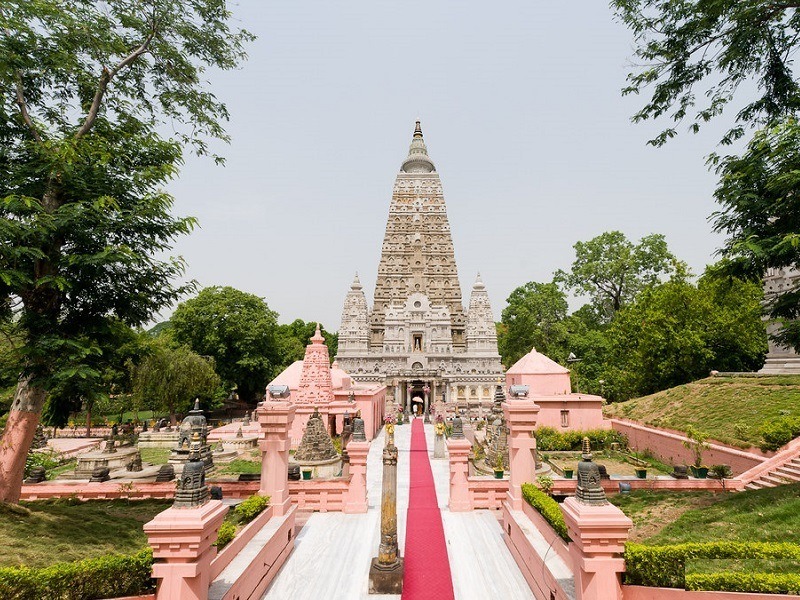
1. Mahabodhi Temple stands as the center of the Buddhist world, marking the exact location where Siddhartha Gautama attained enlightenment. This UNESCO World Heritage site is home to the sacred Bodhi Tree and is surrounded by ancient stone railings and votive stupas.
- The Bodhi Tree: Meditate under the descendant of the original tree where the Buddha sat.
- Architectural Marvel: Admire the 170-foot pyramid-shaped temple tower, a classic example of Indian brickwork.
- Vajrasana: View the “Diamond Throne,” a stone platform marking the Buddha’s seat of stability.
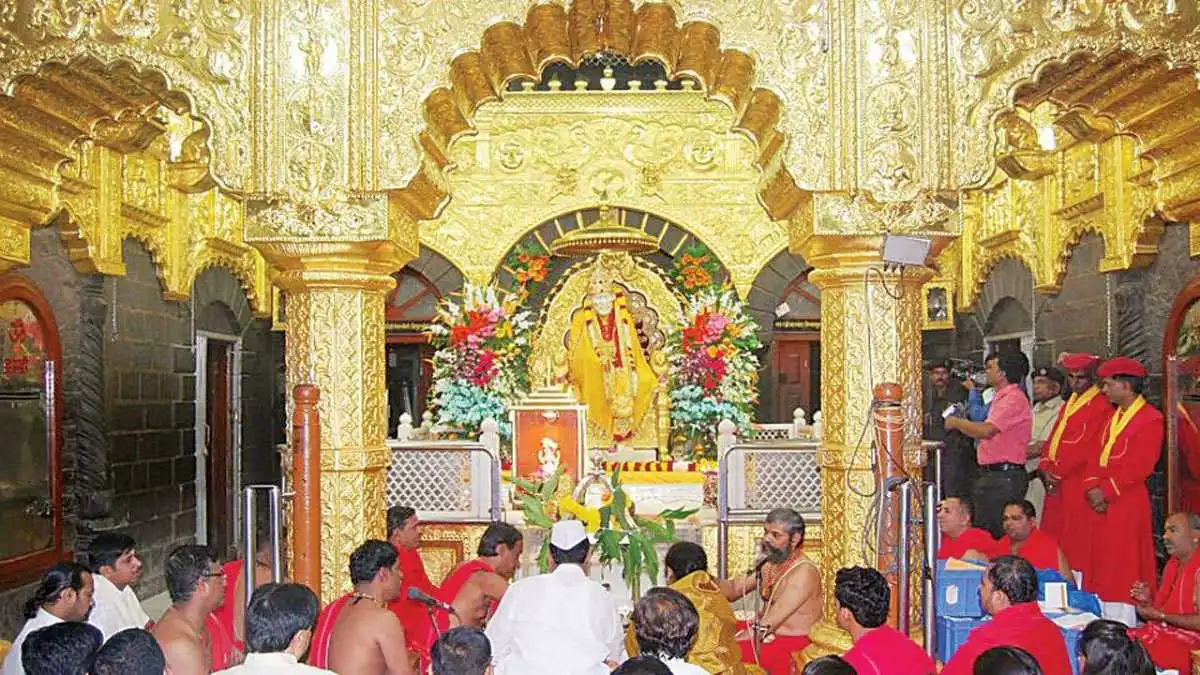
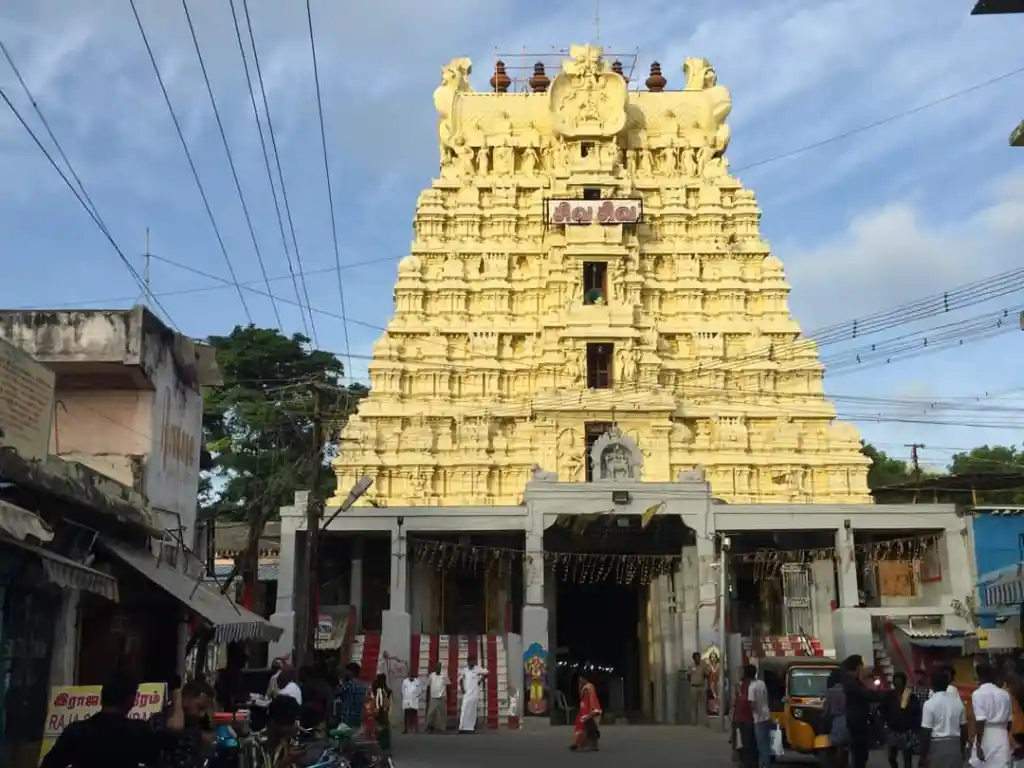
2. Shri Vishnupad Temple, Gaya Ji is the primary destination for Hindu pilgrims, located on the banks of the Falgu River. The temple is famous for housing a 40-cm-long footprint of Lord Vishnu etched into solid basalt rock.
- Historical Renovation: The current ornate structure was rebuilt in 1787 by Queen Ahilyabai Holkar of Indore.
- Ritual Significance: This is the key site for performing Pinda Daan rituals to honor ancestors.
- River Views: The temple’s position on the riverbank offers a serene atmosphere despite the bustling pilgrim activity.
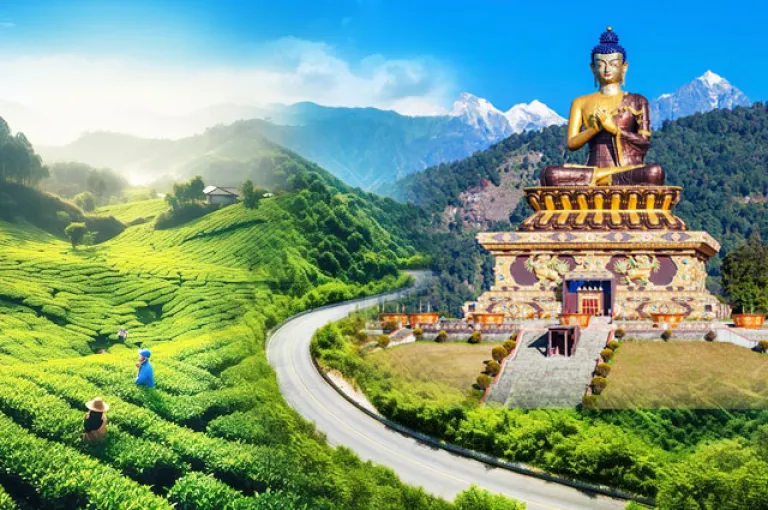
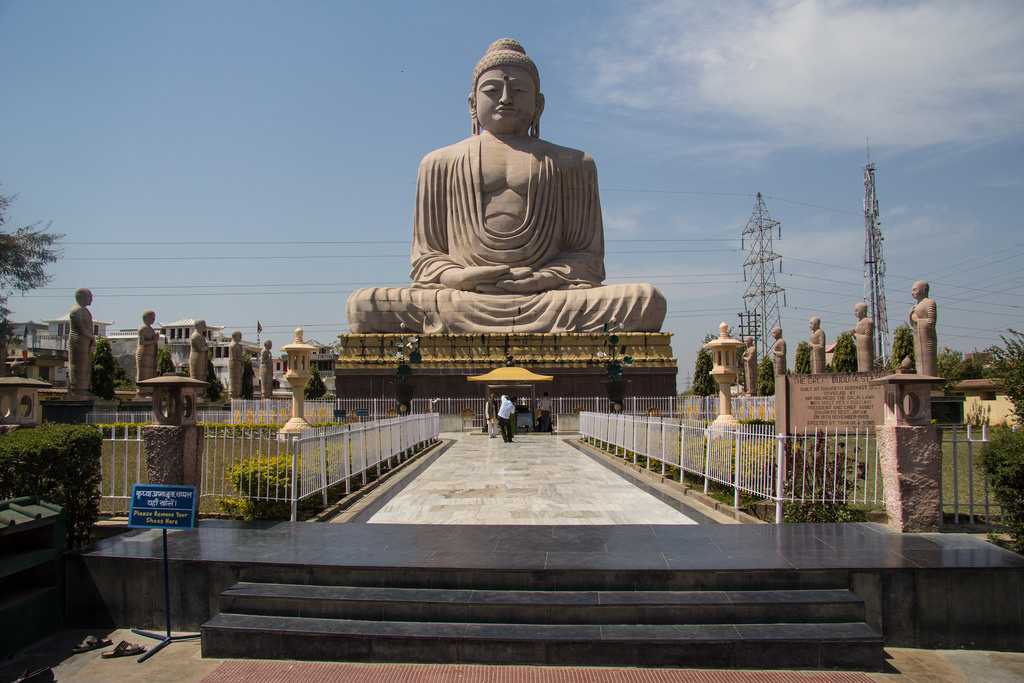
3. The Great Buddha Statue is an imposing 80-foot stone sculpture that has become a symbol of modern Bodh Gaya. It depicts the Buddha in a meditative pose on a lotus flower and was consecrated by the Dalai Lama.
- Size and Detail: It is one of the largest Buddha statues in India, carved from red granite and sandstone.
- Symbolic Surroundings: The main figure is flanked by ten smaller sculptures representing the Buddha’s primary disciples.
4. Pragbodhi Cave, also known as the Dungeshwari Cave Temples, is located on a hill where the Buddha practiced extreme asceticism for six years before moving toward the Bodhi Tree.
- Spiritual History: Visit the small cave where a golden emaciated Buddha statue commemorates his period of fasting.
- Panoramic Views: The climb to the caves provides a wide view of the surrounding countryside and the Falgu River.
5. Wat Thai Buddhagaya Temple is a striking example of Thai architecture with its characteristic sloping roof and golden tiles. It was established to foster cultural ties between India and Thailand.
- Golden Buddha: Features a massive 25-meter-tall bronze statue of Lord Buddha.
- Peaceful Grounds: Known for its exceptionally well-maintained gardens and tranquil atmosphere.
6. The Royal Bhutanese Monastery offers a glimpse into Bhutanese culture through its colorful and intricate traditional craftsmanship.
- Unique Art: Look for the 3D frescoes on the walls that depict important scenes from the life of the Buddha.
- Bhutanese Architecture: The monastery features a traditional temple (Lhakhang) with ornate wood carvings and vibrant paintings.