Paste your textual content right here and click on “Next” to watch this article rewriter do it is thing.
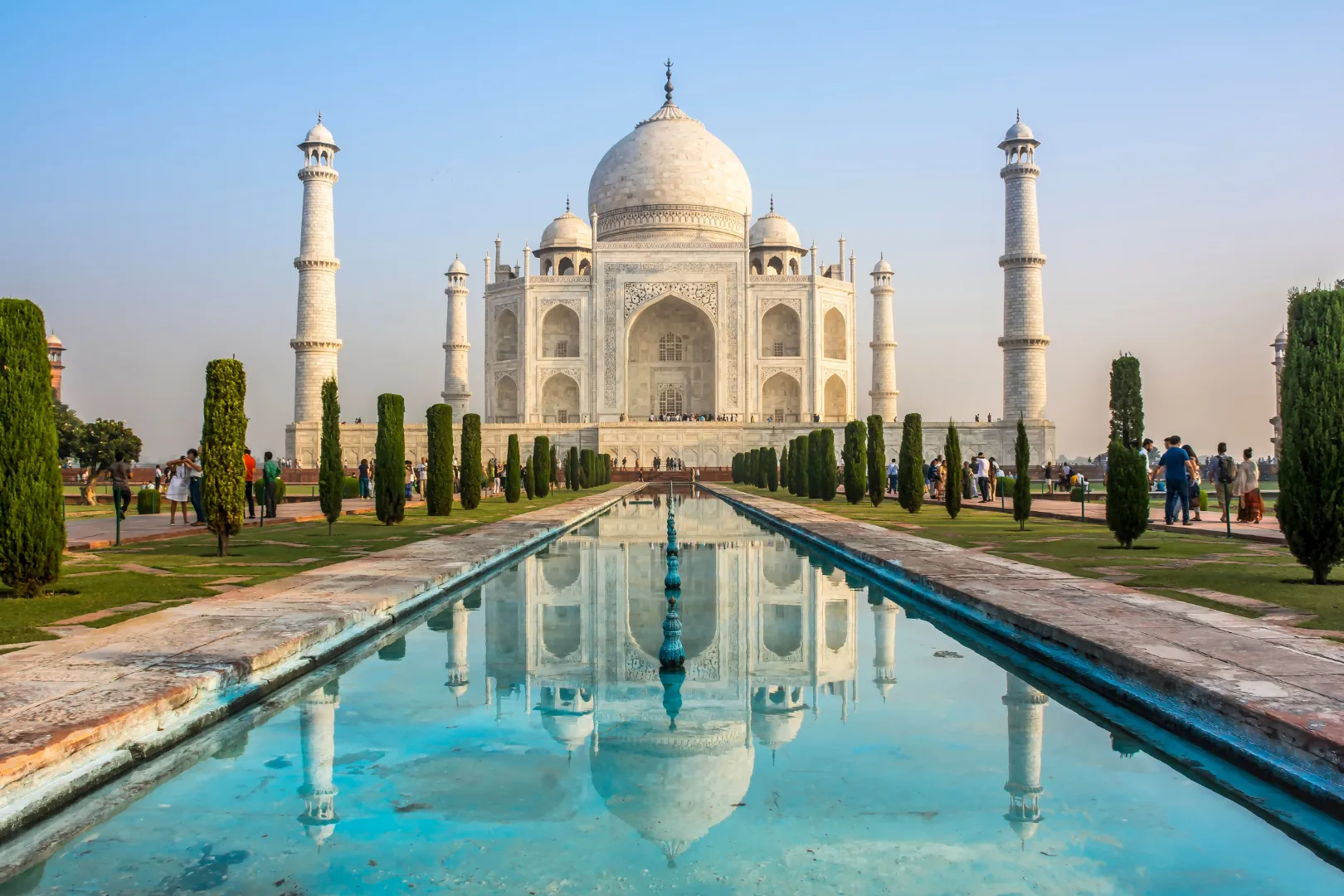
1. Essential Visitor Information
- Operating Hours: The monument opens 30 minutes before sunrise and closes 30 minutes before sunset.
- Closed on Fridays: The Taj Mahal is closed to the general public every Friday (it is open only for those attending prayers at the mosque).
- Night Viewing: Available on the night of the full moon and two days before and after (5 nights total per month). Entry is from 8:30 PM to 12:30 AM.
2. Ticket Pricing (2025–2026)
Tickets should be purchased online at the official Archaeological Survey of India (ASI) website.
- Indian Citizens: ₹50
- SAARC & BIMSTEC Countries: ₹540
- Foreign Tourists: ₹1,100
- Main Mausoleum Entry: An additional ₹200 is required for all visitors who wish to go inside the actual tomb chamber.
- Children: Entry is free for children below 15 years (both Indian and Foreign).
3. Entry Gates & Security
- East Gate: Generally has shorter queues and is preferred by tourists. It is near the Taj Nature Walk.
- West Gate: The main gate for local visitors; it can be very crowded.
- South Gate: Currently used mainly for exit; entry is restricted.
- Prohibited Items: Do not carry large bags, food, tobacco, lighters, tripods, or drones. Essential items like your phone, camera (without tripod), and a small water bottle are allowed.
4. Best Time to Visit
- Best Season: October to March offers the most pleasant weather.
- Best Time of Day: Sunrise is the most magical time. The marble changes color from soft pink to bright white, the air is cool, and the crowds are at their thinnest.
- Sunset: Another beautiful time, though it is usually much more crowded than sunrise.
5. Historical Significance
Commissioned in 1632 by the Mughal Emperor Shah Jahan, the Taj Mahal was built to house the tomb of his favorite wife, Mumtaz Mahal.
- Construction: It took approximately 20 years and 20,000 artisans to complete.
- Architecture: It is a perfect blend of Indian, Persian, and Islamic styles. The main structure is made of white marble inlaid with semi-precious stones (a technique known as Pietra Dura).
- The Garden: The Charbagh (four-fold garden) is designed to represent Paradise, with water channels reflecting the monument’s perfect symmetry.
6. Practical Tips
- Dress Code: There is no official dress code, but modest clothing is recommended. If you plan to enter the mosque area, it is respectful to cover your shoulders and knees.
- Footwear: You must remove your shoes or use shoe covers (provided at the entrance for foreign ticket holders) before stepping onto the main marble platform.
- Photography: Photography is permitted in the gardens and on the platform but is strictly prohibited inside the main mausoleum chamber.
- Guides: Only hire guides with official Ministry of Tourism ID cards to avoid scams.
7. Nearby Attractions
- Agra Fort: A massive red sandstone fortress just 2.5 km away.
- Mehtab Bagh: Located across the river, it offers a stunning view of the Taj Mahal at sunset without the crowds.
- Local Treats: Don’t leave without trying Agra Petha, a world-famous local sweet made from ash gourd.